
Zygopetalum maxillare
Zygopetalum maxillare
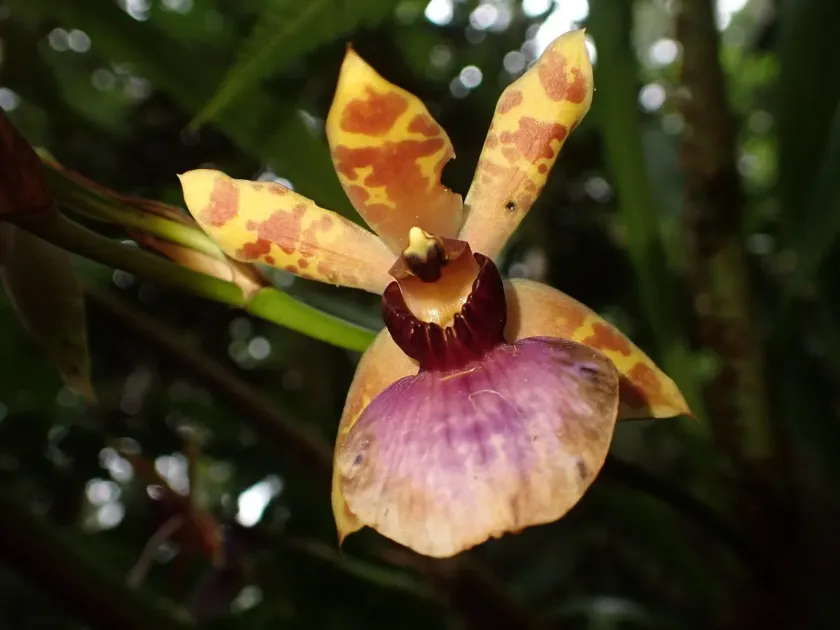
Description
Growing requirements
Zygopetalum maxillare is a distinctive epiphytic orchid species belonging to the Orchidaceae family, native to the tropical rainforests of Brazil. It typically colonizes the trunks of tree ferns, which defines its specific ecological needs in cultivation.
The substrate for this species must be highly porous, usually consisting of high-quality pine bark, charcoal, and perlite, to ensure proper drainage and root oxygenation. This orchid is sensitive to salt accumulation, requiring the use of distilled or filtered water.
Optimal growth is achieved under moderate temperatures, typically ranging from 18°C to 24°C during the day, with a necessary drop at night to encourage the development of new flower spikes.
Lighting requirements are specific, as the plant needs bright, indirect light to thrive. Intense, direct sunlight can easily cause leaf damage, while insufficient light leads to weak, spindly growth.
High relative humidity is essential, ideally kept between 60% and 80%, to maintain the health of the pseudobulbs and prevent the premature shedding of older leaves during the growth season.
Main diseases and pests
Spider mites are the most significant pest for Zygopetalum maxillare, especially in environments where humidity levels are not consistently maintained throughout the year.
Scale insects and mealybugs can also pose a threat, often clustering in the tight spaces between pseudobulbs, making them difficult to detect until the infestation is significant.
Fungal leaf spotting is a frequent issue caused by stagnant air and water droplets lingering on the foliage after misting, which encourages pathogen proliferation.
Root rot is the primary cause of plant failure, usually resulting from a substrate that has degraded over time or from overwatering during the plant's dormant cycle.
Effective management involves regular inspection of the leaf axils, maintaining adequate air circulation, and the judicious use of systemic fungicides when symptoms appear.