
Zygodon viridissimus
Zygodon viridissimus
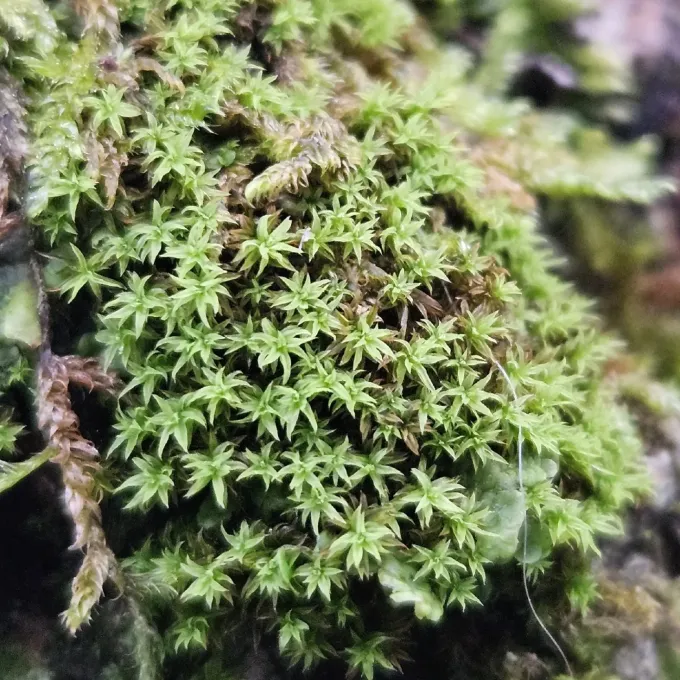
Description
Growing requirements
Zygodon viridissimus is a perennial epiphytic moss belonging to the Orthotrichaceae family. While not an agricultural crop, it is a significant species in the study of bryology and forest health, as it serves as a sensitive bioindicator.
This moss species typically inhabits temperate regions, flourishing on the bark of deciduous trees. It prefers environments with high atmospheric humidity and moderate light, often found in sheltered woodland areas or older parklands.
Environmental conditions are crucial for its survival; the bark substrate must provide a neutral or slightly acidic pH level. Because it absorbs water and nutrients directly from the air and precipitation, it is exceptionally vulnerable to pollution.
Botanically, it forms dense, vibrant green cushions that provide essential micro-habitats for various microorganisms. Its small, lanceolate leaves are adapted to capture moisture efficiently, which is vital for its metabolism in an epiphytic lifestyle.
Growth is typically slow, and the species relies on stable ecological conditions to maintain its populations. Any significant alteration in the microclimate, such as prolonged drought or change in air composition, disrupts its growth cycle.
Main diseases and pests
The primary threat to Zygodon viridissimus is atmospheric pollution, particularly nitrogen oxides and sulfur dioxide, which can quickly degrade the species.
Habitat loss resulting from deforestation and the removal of old-growth trees drastically reduces the available surface area for colonization by this moss.
Micro-climate shifts, including significant decreases in relative humidity within forest stands, directly impair the species' ability to remain hydrated.
Competition from more opportunistic or pollution-tolerant species of lichen and moss can eventually displace this species in stressed environments.
Landscape fragmentation isolates populations, making it difficult for the moss to re-colonize new suitable areas once a local population has been lost.