
Zygodon conoideus
Zygodon conoideus
Description
Growing requirements
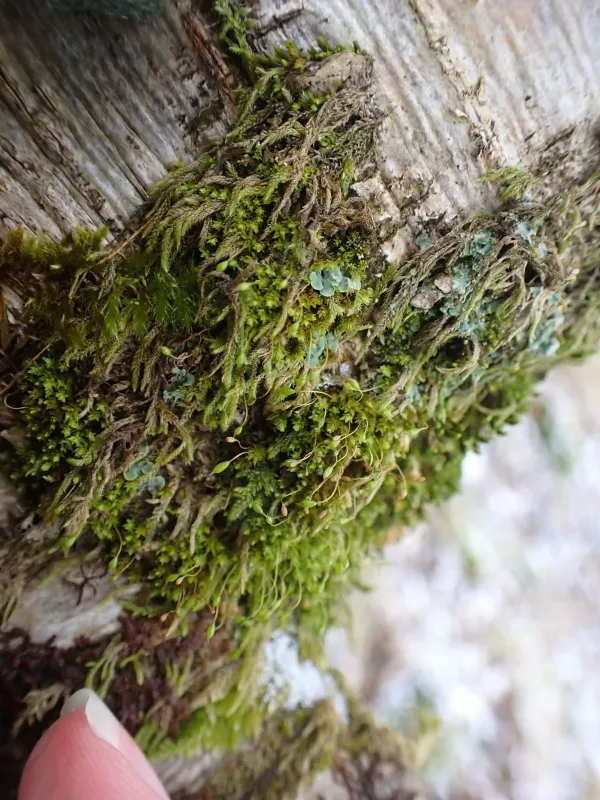
Zygodon conoideus is a species of moss within the family Orthotrichaceae. While not a commercial agricultural crop, it is a significant organism in forest ecosystems, acting as a specialized epiphyte found primarily on the bark of deciduous trees.
The distribution of this species is largely determined by oceanic climate conditions where high humidity and moderate temperatures prevail. It is typically found in shaded forest areas where the moisture level remains relatively constant throughout the seasons.
Botanically, Zygodon conoideus is characterized by its small, dense tufts and the presence of gemmae on the leaves, which serve as a primary means of asexual reproduction. This feature allows it to efficiently colonize suitable host tree species like ash or oak.
The plant has strict requirements for its substrate, which must provide specific pH levels and adequate moisture retention. Unlike vascular plants, it does not rely on soil nutrients, instead drawing minerals from bark runoff and atmospheric deposition.
Its presence is an essential biological indicator for forest health, as it is highly sensitive to the surrounding microclimate and atmospheric quality. It cannot thrive in disturbed environments where air pollution is elevated.
Main diseases and pests
The primary threat to the stability of Zygodon conoideus populations is the degradation of old-growth forests. The removal of mature host trees directly results in habitat loss, which is difficult to mitigate.
Atmospheric pollutants, specifically sulfur dioxide and nitrogen compounds, have a severe inhibitory effect on this moss. Due to its high sensitivity, it is often among the first species to disappear in polluted industrial or urban areas.
Climate change poses a significant risk, particularly the shift toward more frequent drought periods. As an epiphyte dependent on atmospheric moisture, it has limited mechanisms to survive prolonged periods of desiccation.
Biological competition within the epiphytic community can also limit the spread of the moss. Lichens and more aggressive moss species may outcompete Zygodon conoideus for space on the bark surface when conditions fluctuate.
Forest management practices that alter the light penetration or water cycles within a woodland can negatively influence the viability of the moss by exposing it to desiccation or harmful levels of solar radiation.