
Zygodon gracilis
Zygodon gracilis
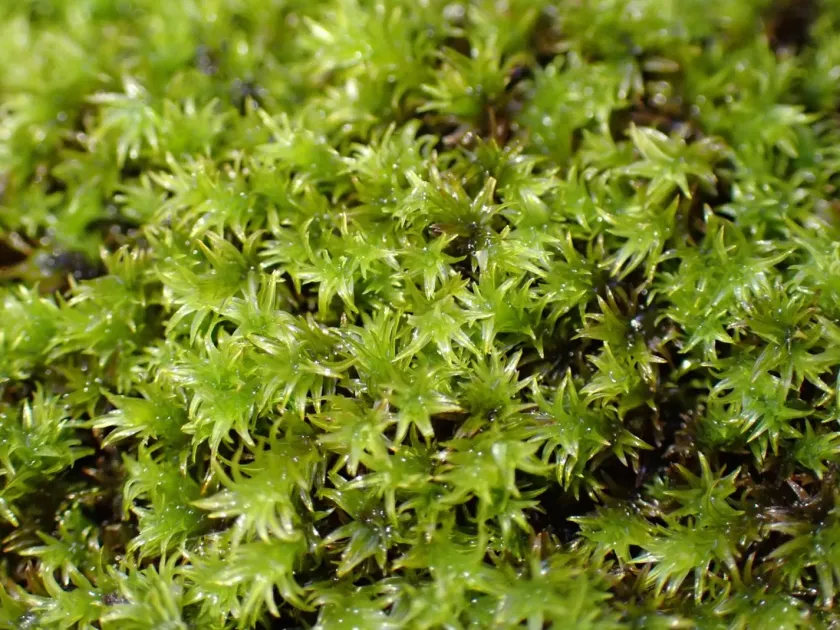
Description
Growing requirements
Zygodon gracilis is a moss species belonging to the Orthotrichaceae family. It is strictly a wild species of interest to bryology and conservation, rather than a cultivated agricultural crop, as it lacks economic utility in standard farming.
This moss typically colonizes specific niches, such as crevices in limestone outcrops or the bark of mature trees. Its distribution is patchy and localized, found primarily within regions characterized by temperate maritime or oceanic climates.
The plant has very specific environmental demands, requiring high humidity and stable microclimatic conditions. It is highly sensitive to air pollution and habitat fragmentation, making it a valuable bioindicator for monitoring ecosystem health.
Botanically, it forms small, dense tufts adapted to survive on vertical or horizontal substrates where moisture levels can fluctuate. Its growth rate is relatively slow, and it relies on stable, undisturbed habitats to maintain its colonization.
Because it is not an agricultural crop, there are no established practices for sowing or harvesting. Conservation efforts focus on protecting old-growth forests and limestone sites to prevent the decline of this rare bryophyte population.