
Zollernia ilicifolia
Zollernia ilicifolia
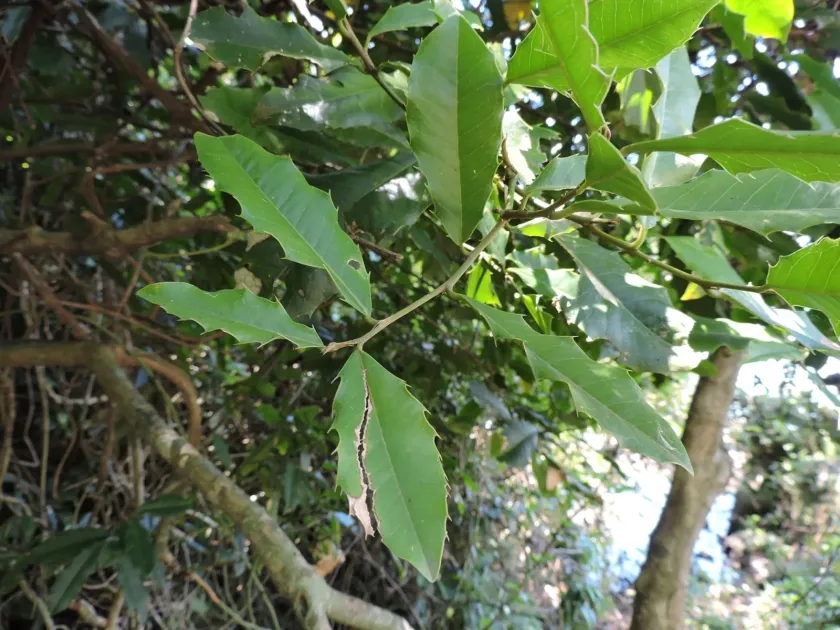
Description
Growing requirements
Zollernia ilicifolia is a tropical tree species belonging to the Fabaceae family, native to the diverse forest ecosystems of South America, with a particular focus on the Brazilian biome.
The species thrives in warm, humid climates, requiring consistent environmental conditions to achieve maximum productivity. It performs best in regions where temperatures remain stable and frost-free throughout the entire year.
Regarding soil requirements, the plant prefers well-drained, fertile soils with a neutral or slightly acidic chemical reaction. Adequate soil aeration is crucial to prevent root asphyxiation, as the species is sensitive to waterlogged conditions.
Silvicultural management of this crop requires a balanced approach to light exposure. While it exhibits shade tolerance in its early development stages, increased sunlight availability during the juvenile phase can significantly enhance the growth rate.
Commercially, Zollernia ilicifolia is highly valued for its dense and durable wood. It is extensively used in high-end cabinetry, professional woodworking, and specialized construction projects where structural longevity is a priority.
Main diseases and pests
The primary threats to Zollernia ilicifolia plantations include root rot and stem decay caused by various fungal pathogens that thrive in high-humidity tropical environments.
Insect pests, such as wood-boring beetles, represent a significant concern for established trees. These organisms can compromise the integrity of the timber, leading to reduced commercial value of the final product.
Environmental stress, often caused by nutrient deficiencies or incorrect irrigation practices, significantly lowers the plant's resistance to local pathogens and insect attacks.
Proactive management includes regular sanitary monitoring of the forest stands, immediate removal of infected branches, and maintaining optimal spacing to ensure proper airflow and light penetration.
Sustainable production practices prioritize the use of biological control agents and integrated pest management (IPM) to minimize chemical reliance in the cultivation process.