
Moldavian dragonhead
Dracocephalum moldavica L.
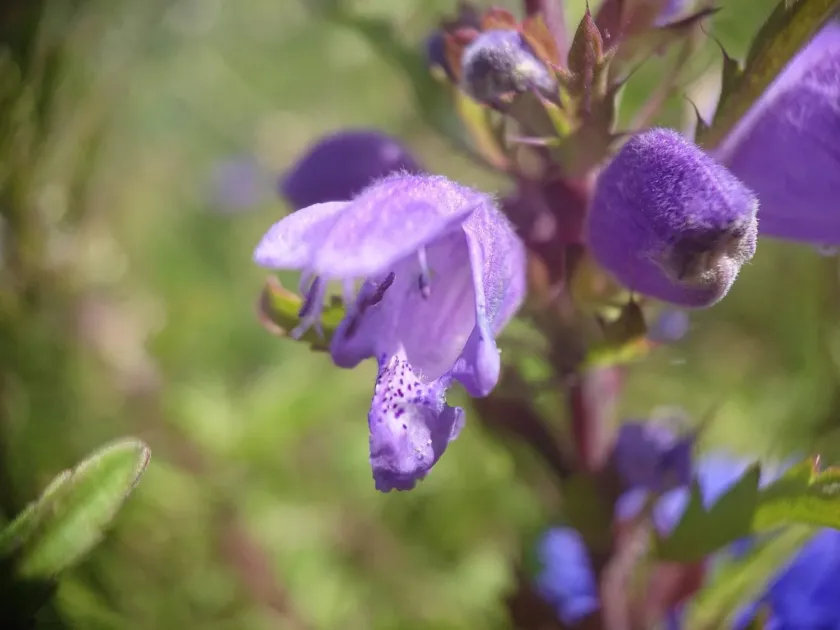
Description
Sowing dates
Moldavian dragonhead is a cold-resistant crop that begins to germinate at soil temperatures between 6°C and 8°C. Early spring sowing is critical to ensure uniform emergence and to take advantage of soil moisture reserves.
Seeds are quite small and should be sown at a depth of no more than 1.5–2 centimeters. Proper soil contact is essential for successful germination, so light rolling after seeding is often recommended in professional cultivation.
For large-scale production, a row spacing of 45–60 centimeters is standard, allowing for mechanical inter-row cultivation to manage weed competition. Denser sowing patterns are used only when harvesting green biomass for distillation.
Maintaining an optimal plant density is vital; excessive density may lead to poor aeration, increasing the risk of fungal diseases. If sowing is too thick, thinning should be performed in the early stages of development.
Timely sowing ensures that the plant develops a robust root system before the onset of summer heat, which is vital for sustained productivity and optimal essential oil development in the inflorescences.
Growing requirements
Moldavian dragonhead belongs to the Lamiaceae family and thrives in open, sunny environments. Sufficient solar radiation is a key factor for the synthesis and accumulation of essential oils within the plant tissues.
The crop prefers fertile, well-drained loamy or sandy loam soils with a neutral or slightly alkaline pH. Heavy, waterlogged soils must be avoided as they inhibit root development and favor the growth of pathogenic fungi.
While the plant exhibits moderate drought tolerance, adequate moisture is required during the intensive growth and budding phases to maximize yield. Fluctuations in water availability can reduce the overall oil concentration.
The best preceding crops for dragonhead are cereals or clean fallows. It is generally advised to avoid planting in fields previously used for other Lamiaceae species to prevent the buildup of soil-borne diseases specific to the family.
Fertilization management should focus on phosphorus and potassium to boost resilience and oil quality. Excessive nitrogen application can stimulate vegetative growth at the expense of oil yield and should be carefully controlled.
Yield
Under optimal growing conditions, the green biomass yield of Moldavian dragonhead ranges from 15 to 25 tons per hectare. Variations depend on soil fertility, moisture availability, and overall management practices.
Dried raw material usually accounts for 20–25% of the fresh weight. Since the essential oil is concentrated primarily in the leaves and inflorescences, the quality of harvest is determined by the stage of maturity during collection.
Seed production yields are typically between 0.5 and 0.8 tons per hectare. Farmers must monitor the crop closely, as seeds are prone to shattering if harvesting is delayed beyond the peak maturity point.
Essential oil concentration is highest during the peak flowering phase. Therefore, harvest timing must be perfectly aligned with the crop’s phenological stages to capture the maximum amount of aromatic compounds.
Post-harvest handling is crucial. Quick drying in shaded, well-ventilated areas at temperatures not exceeding 35–40°C is necessary to prevent the evaporation and degradation of the volatile essential oils.
Main diseases and pests
Powdery mildew is the most common disease for this crop, especially in humid conditions or in poorly ventilated fields. It manifests as a white fungal growth on the leaves, significantly impacting the photosynthesis rate.
Root rot and Fusarium wilt can occur in waterlogged or overly compacted soils. Implementing proper crop rotation and maintaining good soil drainage are the most effective preventive measures against these soil-borne threats.
Flea beetles are the primary pests affecting seedlings. They can rapidly consume young leaves and growing points, potentially causing total crop failure if left unmanaged during the early stage of development.
Aphids can also colonize the plant, feeding on sap from young shoots and inflorescences. This infestation weakens the plant and can negatively affect the final yield and the concentration of essential oils.
Integrated Pest Management (IPM) strategies, including regular field scouting and the use of biological control agents, are recommended to minimize the reliance on synthetic chemicals and preserve the quality of the raw material.
Harvesting
The harvesting of biomass for essential oil production is conducted during full bloom. At this stage, the plant has the highest concentration of volatile oils and provides the best aromatic profile.
Mowers are used to cut the plants at a height of 10–15 centimeters above the ground. It is essential to ensure that the biomass remains clean and free of soil or debris to maintain high production standards.
For seed harvesting, the crop is typically cut when the seeds in the lower and middle parts of the inflorescences turn brown. A two-stage harvesting process, involving cutting and windrowing, is often used to ensure uniform drying.
The harvested seeds must be threshed using specialized machinery and cleaned immediately to remove impurities. High-moisture seeds are susceptible to heating and spoilage, necessitating rapid moisture reduction.
Proper seed storage requires cool, dry conditions with adequate air circulation. Following these storage protocols ensures that seed viability remains high until the start of the next planting season.