
American dragonhead
Dracocephalum parviflorum Nutt.
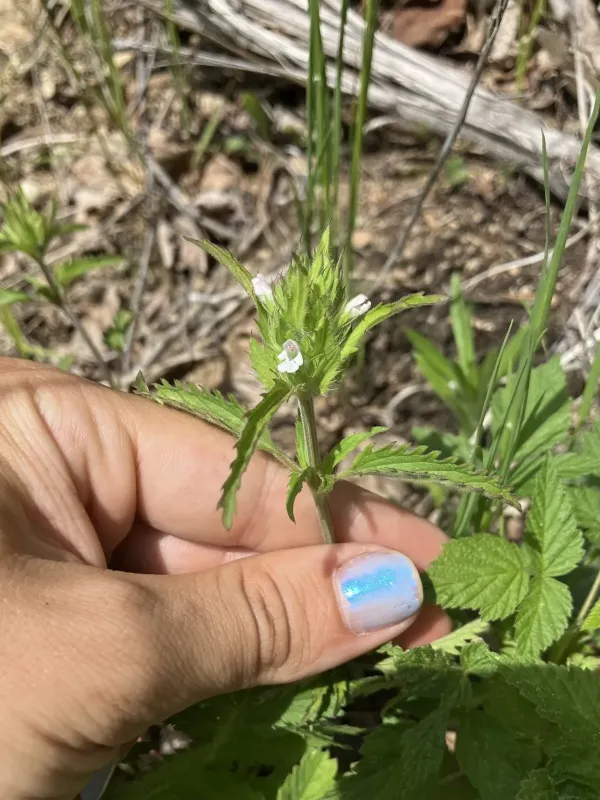
Description
Sowing dates
American dragonhead (Dracocephalum parviflorum) belongs to the Lamiaceae family. It is an annual plant known for its adaptability to various temperate climates, native to the North American continent.
Sowing typically takes place in early spring when the soil temperature consistently reaches 6-10 degrees Celsius. Farmers usually opt for row seeding with a spacing of 30 to 45 centimeters to ensure optimal development.
The seeds should be sown at a shallow depth of 1-2 centimeters. Given their small size, they require a well-prepared seedbed with a firm texture to ensure uniform germination and moisture contact.
Proper seedbed preparation involves thorough tilling to eliminate perennial weeds. Since the crop grows slowly initially, minimizing competition from other plants is essential for a high-quality harvest.
The standard seeding rate is adjusted based on local conditions, aiming to achieve a density that prevents overcrowding while providing enough canopy to suppress minor weed emergence between rows.
Growing requirements
The plant thrives in well-drained, sandy loam soils. It is highly sensitive to waterlogging, which can cause significant damage to the root system and reduce overall field vitality during the wet season.
Sunlight exposure is a critical factor; the crop requires full sun for optimal biomass production and oil accumulation. Shaded areas significantly decrease the yield and quality of the medicinal raw material.
Water requirements are moderate, with consistent moisture needed during the vegetative phase. Irrigation systems are beneficial in regions with irregular rainfall to maintain steady growth through the flowering stage.
The soil pH should ideally range between 6.0 and 7.5. Alkaline soils are generally better tolerated than acidic ones, provided that essential microelements are sufficiently available to the plant.
Fertilization should prioritize a balanced NPK ratio. Excessive nitrogen application should be avoided as it may lead to lodging and lower the concentration of secondary metabolites in the plant tissues.
Main diseases and pests
Root rot caused by fungal pathogens remains a significant threat, especially in soils with poor drainage. Proper irrigation management is the primary defense strategy against such soil-borne diseases.
Aphids and leaf-eating beetles are common pests that target the crop, particularly during the early summer months. Regular scouting is recommended to intervene before pest populations reach economic injury levels.
Powdery mildew can occur during periods of high humidity and poor air circulation. Thinning the crop or adjusting row orientation can help improve airflow and reduce the incidence of fungal outbreaks.
Weed control is vital throughout the early growth stages. Since the plant is sensitive to many common herbicides, manual cultivation or early mechanical weeding is often preferred over chemical options.
Implementing a strict crop rotation cycle helps mitigate the risk of pest and disease buildup. Avoid planting in fields previously used by other Lamiaceae species to minimize common pathogen transmission.