
Zizaniopsis bonariensis
Zizaniopsis bonariensis
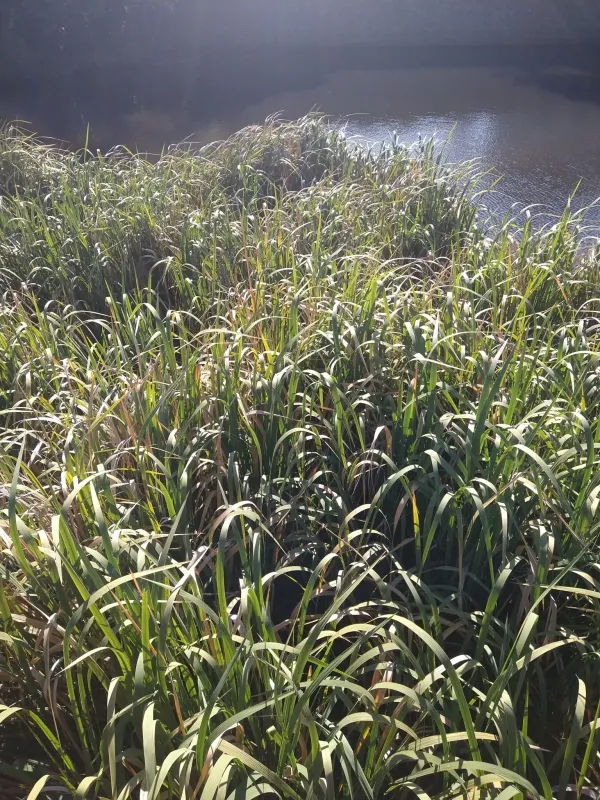
Description
Sowing dates
Propagation of this species occurs naturally through rhizomes and seed dispersal by water currents, which is a key adaptation to its aquatic habitat.
In agricultural settings, sowing is best performed during early spring, ensuring that the substrate remains saturated to support the germination process.
Seed pretreatment, such as cold stratification in water, is often recommended to overcome dormancy and improve the overall germination rate.
Seedlings should be planted in areas with controlled water levels to prevent deep submergence, which could inhibit the early development of shoots.
Establishing the culture requires careful monitoring of seedling vigor during the first few weeks, especially in soils with high organic content.
Growing requirements
Zizaniopsis bonariensis belongs to the Poaceae family and is a robust perennial grass specifically adapted to wetland and riparian environments.
The plant originates from South American wetlands, where it colonizes riverbanks, marshes, and areas subject to frequent periodic flooding.
It thrives in nutrient-rich, heavy soils such as silts and clays that provide the necessary minerals for its rapid growth cycle.
The species requires high levels of solar radiation to maintain its metabolic activity, making it less suitable for shaded, densely forested sites.
Climate adaptability is one of its core strengths, allowing it to withstand variations in moisture and temporary periods of water stagnation.
Harvesting
The harvesting of Zizaniopsis bonariensis is typically aimed at biomass production for green manure or as a supplementary source of fodder.
Timing is crucial: harvesting should occur before the flowering stage to ensure the plants maintain high levels of digestible proteins and nutrients.
Specialized equipment designed for wetland operation, such as amphibious harvesters, is necessary to efficiently gather biomass without damaging the root system.
Post-harvest processing involves thorough drying, which is essential to reduce the moisture content and prevent microbial degradation of the harvested crop.
Proper management of the harvest cycle promotes rapid regrowth from the rhizomes, ensuring the sustainability of the stand for subsequent seasons.