
Zaluzianskya ovata
Zaluzianskya ovata (Benth.) Walp.
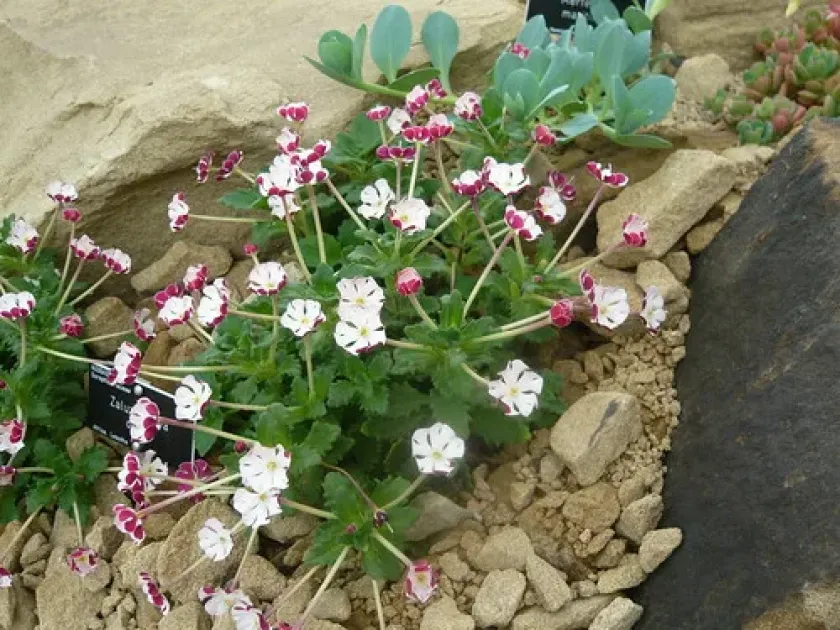
Description
Sowing dates
Sowing seeds of Zaluzianskya ovata is best performed in early spring after the danger of frost has passed. For earlier blooms, gardeners often start seeds indoors in late winter, providing artificial light.
The seeds are exceptionally small and require surface sowing. They should be pressed firmly onto the moist growing medium but not covered with soil, as they need light for successful germination.
When sowing directly into the garden, ensure the soil surface is finely raked and kept consistently moist. Using a fine mist spray helps prevent the seeds from being washed away during the initial phase.
Germination typically occurs within two to three weeks under warm and stable conditions. Maintaining a temperature range between 18 and 22 degrees Celsius is ideal for uniform development of seedlings.
Once seedlings have developed a few sets of true leaves, they should be hardened off before being transplanted outdoors. This transition helps the young plants adapt to fluctuating environmental conditions.
Growing requirements
Zaluzianskya ovata, a member of the Scrophulariaceae family, originates from South Africa. It is widely known for its nocturnal fragrance, where the flowers open fully at dusk to release a honey-like scent.
The plant thrives in full sun, which is essential for developing compact, bushy growth and producing a high volume of flowers. Insufficient sunlight will cause the plant to become leggy and weak.
Well-draining, gritty soil is mandatory for this species. It performs exceptionally well in sandy or rocky garden beds where water does not pool, as the roots are highly sensitive to moisture stress.
While the plant is somewhat drought-tolerant once established, regular irrigation during dry spells will prolong the blooming period. Avoid overhead watering to reduce the risk of foliage diseases.
Fertilizer application should be light and balanced. Excess nutrients often lead to lush vegetative growth at the expense of floral development, so a slow-release formula is usually the best choice.
Main diseases and pests
Root rot is the most serious threat, primarily caused by waterlogged soil conditions. Ensuring excellent drainage and avoiding over-irrigation are the primary defensive measures against this issue.
Aphids can infest the delicate flower buds and new growth, distorting them and reducing the plant's overall aesthetic value. Regular inspections during the early morning are recommended for early detection.
Spider mites can also be problematic in dry, hot environments. Their presence is indicated by stippling on the leaves and fine webbing, requiring immediate action with appropriate miticides.
Powdery mildew may develop if the plants are crowded with poor air circulation. Thinning the plants to ensure adequate spacing is a proactive way to maintain the health of the entire flower bed.
Integrated pest management, including the use of horticultural oils or insecticidal soaps, is effective for managing common pests. Always apply these treatments during cooler periods of the day.