
Yucca smalliana
Yucca smalliana
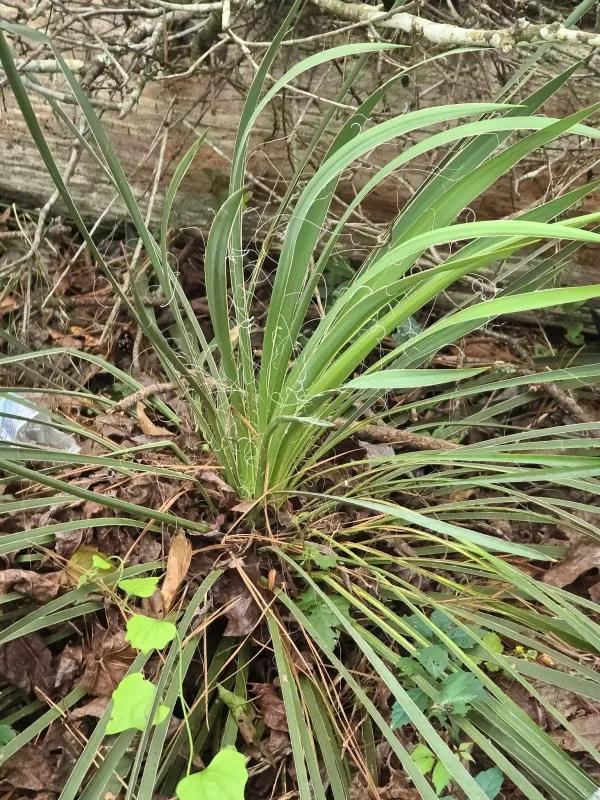
Description
Growing requirements
Yucca smalliana is a perennial herbaceous plant belonging to the Asparagaceae family. It is characterized by a basal rosette of tough, sword-shaped leaves that can reach significant lengths, providing a robust structural appearance throughout the year.
Originating from the southeastern United States, this species has adapted to arid and well-drained environments. Its physiological traits allow it to thrive in nutrient-poor, rocky, or sandy soils where other crops might struggle to survive due to water scarcity.
The plant requires full sun exposure for optimal growth. High light intensity is essential for the development of the leaf fibers and the eventual formation of the impressive inflorescence, which is a hallmark of the genus.
Soil requirements for Yucca smalliana emphasize excellent drainage. The plant is highly sensitive to waterlogged conditions, which can lead to root rot and other fatal conditions. Sandy or gravelly soils with a neutral pH are considered ideal for commercial cultivation.
Regarding climate, the plant exhibits significant hardiness. While it tolerates various temperature ranges, it requires protection from excessive winter moisture, which can be more detrimental than low temperatures in many temperate growing regions.
Yield
The primary agricultural interest in Yucca smalliana lies in its long and durable leaf fibers. These fibers have been historically significant for the production of textiles, ropes, and other industrial materials requiring high tensile strength.
Beyond fiber production, the plant is a valuable ornamental asset. Its dramatic white flower spikes are sought after in landscaping, particularly for xeric gardening projects where water conservation is a primary operational objective.
Chemical composition of the plant parts, particularly the roots, makes it a subject of interest for the pharmaceutical and cosmetic industries. The presence of steroidal saponins allows for the extraction of compounds useful in various bio-based products.
Yield stabilization is typically achieved within three to four years post-planting as the root system matures. Harvesting cycles must be carefully managed to ensure the plant maintains enough energy reserves to sustain continued leaf production over several seasons.
In a controlled agricultural setting, the plant demonstrates consistent biomass production. Proper spacing in the field is necessary to maximize individual plant health and simplify the harvest process while maintaining the integrity of the soil structure.
Main diseases and pests
Pest management for Yucca smalliana centers on controlling insects that target the succulent leaf tissues. Spider mites and scale insects are the most frequent threats, especially in environments where humidity levels are improperly managed.
Fungal diseases, including leaf spot and various crown rots, are primarily induced by excessive moisture or poor aeration. These pathogens thrive in stagnant air conditions, quickly compromising the quality of the harvestable foliage.
Integrated pest management strategies are recommended, focusing on the removal and destruction of infected plant debris. Ensuring proper airflow through the planting rows is the most effective preventative measure against the spread of fungal spores.
In cases of severe infestation or infection, systemic fungicides or targeted insecticides are applied. Care must be taken to apply these chemicals when the plant is not under environmental stress, such as extreme heat, to avoid phytotoxicity.
Monitoring for signs of decay in the root zone is critical. Regular inspections should be conducted, especially after prolonged periods of rainfall, to ensure that the drainage systems remain effective and that no rot has developed at the base of the rosette.