
Yucca reverchonii
Yucca reverchonii
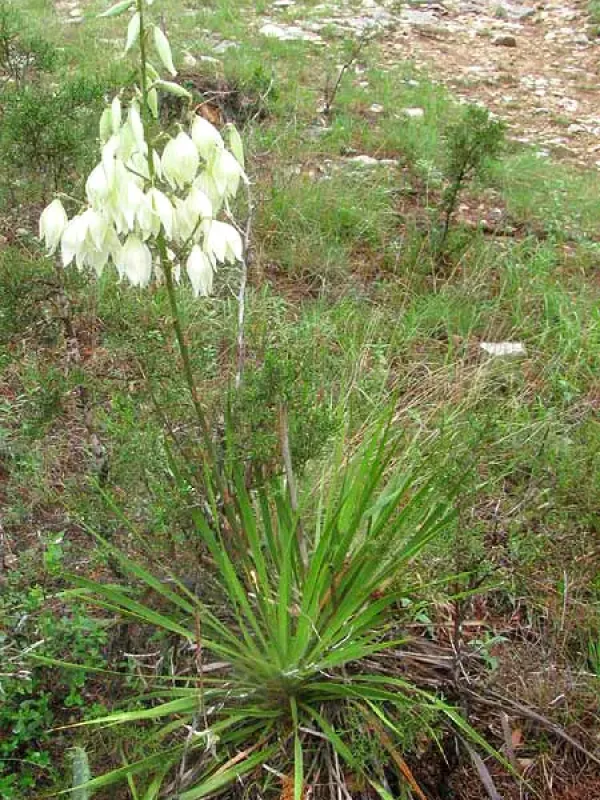
Description
Growing requirements
Yucca reverchonii, commonly known as Reverchon yucca, is a hardy perennial belonging to the Asparagaceae family. Native to the rocky, arid landscapes of Northern Mexico and Western Texas, this species has evolved to thrive in challenging environments.
This crop is highly prized for its exceptional drought tolerance and architectural beauty. It requires full sun exposure to maintain its compact growth form and to stimulate the development of its characteristic, tall inflorescences during the blooming season.
Soil structure is the most critical factor for the successful cultivation of this plant. It necessitates well-draining, sandy, or rocky substrate. In poorly drained soils, the plant is highly susceptible to root system degradation caused by stagnant moisture.
Botanically, it is characterized by narrow, stiff, and fibrous leaves arranged in a basal rosette. The species displays remarkable longevity, and as it matures, it can develop a clumping habit that creates a dense and visually striking feature in the landscape.
Agronomic management is minimal once the plant is established. The primary requirement is to avoid supplemental irrigation during dormant periods or rainy spells, as the species relies on the natural cycle of the arid regions to which it is native.
Main diseases and pests
The primary threat to the health of Yucca reverchonii is fungal root rot, which is almost exclusively associated with overwatering or poorly draining soil conditions that prevent root aeration.
Insect pests such as spider mites and scale insects are common in hot, dry environments. They often colonize the underside of the leaves, where they cause tissue damage that leads to chlorosis and general plant decline.
Mealybugs represent another potential pest that can hide in the leaf axils, sucking the plant sap and hindering growth. Early detection through regular monitoring is essential to prevent these pests from spreading across the crop.
Leaf spot diseases, caused by various fungal pathogens, may occur during seasons of high humidity. These diseases appear as dark lesions on the foliage and require the removal of affected parts combined with fungicidal applications.
Rodents and other burrowing animals can occasionally damage the roots, which poses a secondary risk of disease entry. Implementing preventive measures to protect the root zone is advisable when the plant is newly introduced to a site.