
Yucca queretaroensis
Yucca queretaroensis
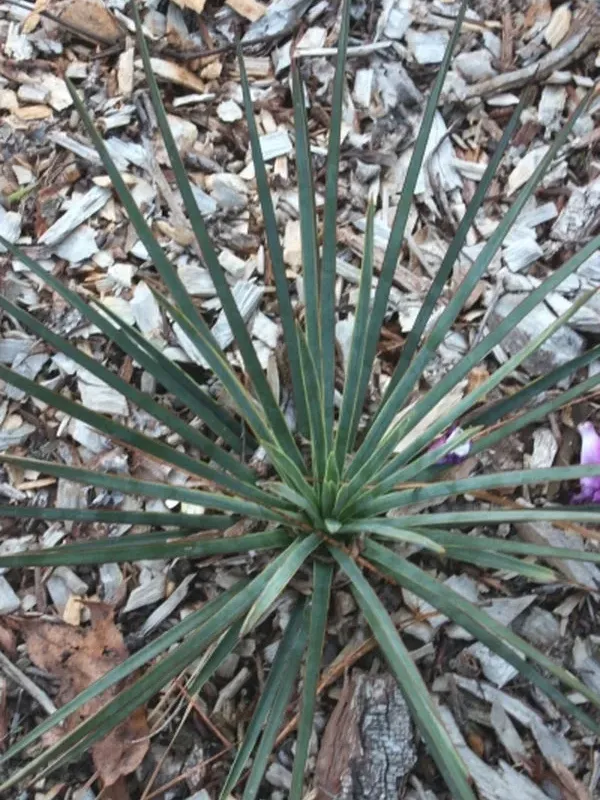
Description
Growing requirements
Yucca queretaroensis is a distinctive species within the Asparagaceae family, native to the rocky, high-altitude slopes of Queretaro, Mexico. Known for its symmetrical shape and hundreds of thin, needle-like leaves, it is considered one of the most aesthetically pleasing yuccas.
The plant thrives in full sun and requires exceptionally well-draining, gritty soil to prevent moisture-related root rot. It is perfectly adapted to arid environments and struggles in humid, damp climates.
In terms of agricultural management, irrigation must be strictly controlled, especially during the dormant winter period. Excess moisture is the primary cause of failure, so a sandy, mineral-rich substrate is essential.
The species is moderately frost-hardy, capable of withstanding light freezes if the plant is kept dry. However, the crown of the plant must be protected from prolonged rain to prevent water accumulation at the center.
Ornamental use is the primary application for this species. It is highly sought after by collectors and landscapers who specialize in xeriscaping, where it serves as a stunning architectural focal point.
Main diseases and pests
The most significant threat to Yucca queretaroensis is crown rot and root decay, typically caused by improper drainage or excessive rainfall during cold months.
Pest issues are generally limited but can include sap-sucking insects like mealybugs and scale, which may hide within the tight dense clusters of the leaf rosette.
Prevention is the best approach to managing health: ensuring adequate air circulation and avoiding overhead watering are key to keeping the specimen in peak condition.
Fungal infections can manifest as brown spots or tissue softening. If detected, immediate reduction of moisture and application of targeted systemic fungicides may be necessary.
Regular maintenance involves cleaning the base of the plant by removing debris and withered foliage, which prevents damp spots that encourage fungal colonization.