
Yucca madrensis
Yucca madrensis
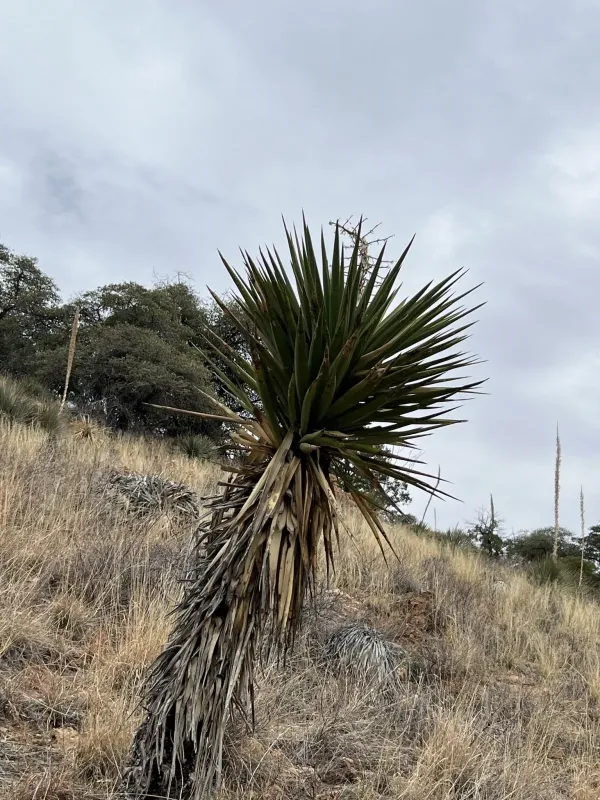
Description
Sowing dates
Yucca madrensis belongs to the Asparagaceae family and is native to the mountainous regions of northern Mexico. Its natural reproduction typically occurs after the seed pods mature in late summer.
For cultivation purposes, seeds are sown in the spring using a well-draining, gritty soil mix. Maintaining a consistent temperature between 20°C and 25°C is crucial for successful germination.
Seed stratification is often recommended to improve germination rates, mimicking the natural cooling cycle that the seeds experience in their native high-altitude environment.
Once seedlings have reached a sufficient size, they are transplanted to their permanent location. This should be done only after the risk of frost has completely passed.
Adequate spacing, typically 1.5 to 2 meters, is essential to allow the plant to mature properly without competition for nutrients or sunlight.
Growing requirements
This species thrives in high-light, arid environments. It is exceptionally well-adapted to intense sunlight and requires a location with full, direct solar exposure.
Soil requirements focus primarily on drainage. Yucca madrensis performs best in sandy, rocky, or loose mineral-rich soils that prevent moisture accumulation around the roots.
While the plant is highly drought-tolerant, it requires occasional deep watering during the peak growing season to support its structural development.
The species can handle significant temperature fluctuations. It is adapted to the cool nights often found in high-altitude desert climates, which helps maintain its overall health.
Fertilization should be kept to a minimum. Over-fertilization, especially with nitrogen, can lead to excessive, weak growth that reduces the plant's natural hardiness.
Main diseases and pests
The primary threat to Yucca madrensis is fungal rot, specifically root and stem rot caused by excessive soil moisture and poor drainage in the root zone.
To mitigate disease, gardeners should focus on site selection and ensure the crown of the plant remains dry. Fungicidal treatment may be necessary if early signs of rot appear.
Pest issues often involve sucking insects such as mealybugs and scale insects. These pests can cause significant damage by clustering in the tight foliage of the rosette.
Spider mites can also be a problem during extremely dry and hot spells, as they can cause visible stippling and yellowing of the foliage over time.
Integrated pest management, including regular inspection and the use of targeted systemic insecticides, is the most effective approach to preserving the health of the plant.