
Yucca karlsruhensis
Yucca karlsruhensis
Description
Growing requirements
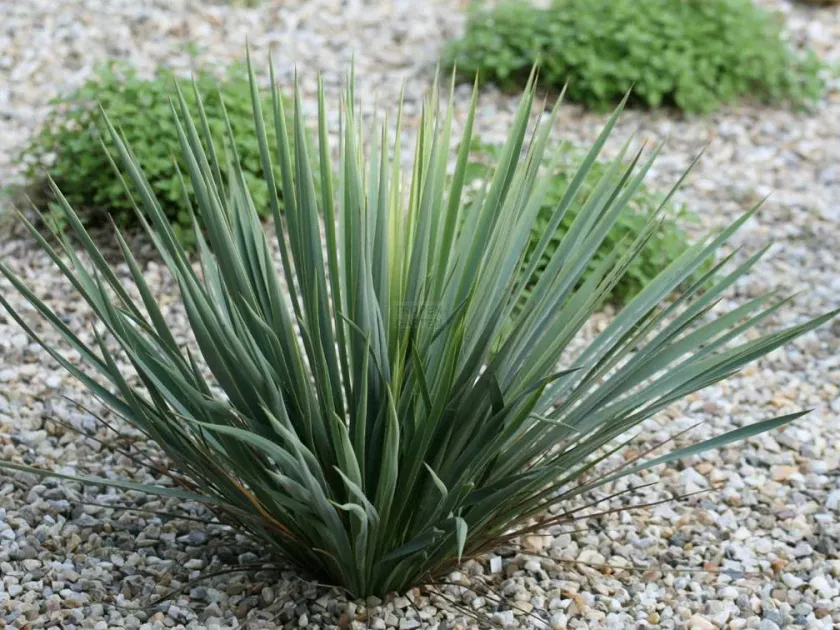
Yucca karlsruhensis is a distinct ornamental perennial species belonging to the Asparagaceae family. This plant is characterized by its stiff, sword-shaped leaves arranged in a basal rosette and its impressive flowering stalk that produces bell-shaped blooms in creamy hues.
Originating from the arid regions of North and Central America, the species is evolutionarily adapted to harsh, sunlight-exposed environments with limited water availability. Its natural habitat dictates the core requirements for its successful cultivation in agricultural and landscape settings.
Optimal growth conditions necessitate well-drained, porous soils, preferably sandy or loamy types with a neutral pH. Proper soil aeration is critical, as stagnant water around the root zone is the primary cause of decline and decay in this species.
The agronomic strategy for this culture emphasizes site selection with maximum solar exposure. Exposure to full sun is essential for maintaining the plant's structural integrity, preventing leaf etiolation, and ensuring the physiological conditions required for annual flowering.
In terms of climate, Yucca karlsruhensis is exceptionally drought-tolerant. While it requires moisture during the initial establishment phase, mature specimens thrive in dry, hot conditions and typically do not require supplementary irrigation even during sustained droughts.
Main diseases and pests
The primary threats to the health of this culture are centered around moisture-related pathologies. Excessive humidity and poor drainage commonly result in root rot, which compromises the plant's vascular system and often proves fatal if not corrected early.
Fungal leaf spot diseases are another significant concern, typically arising in overcrowded plantings where air circulation is restricted. These pathogens manifest as discolored lesions on the leaves, which can reduce the plant's photosynthetic efficiency if left untreated.
Pest pressures primarily include sap-sucking insects such as scale insects and spider mites. These pests tend to flourish in hot, dry environments, specifically targeting the leaf tissues and withdrawing cellular fluids, which can weaken the plant's overall vigor.
Management of these threats involves a combination of cultural practices and chemical interventions. Regular sanitation, including the removal of dead foliage, is vital for minimizing the availability of host material for potential fungal pathogens.
Application of systemic insecticides should be timed to coincide with early signs of infestation to minimize collateral impact. Using fungicides with copper-based active ingredients can provide an effective barrier against common fungal threats during high-humidity periods.