
Yucca hybrids
Yucca hybrids
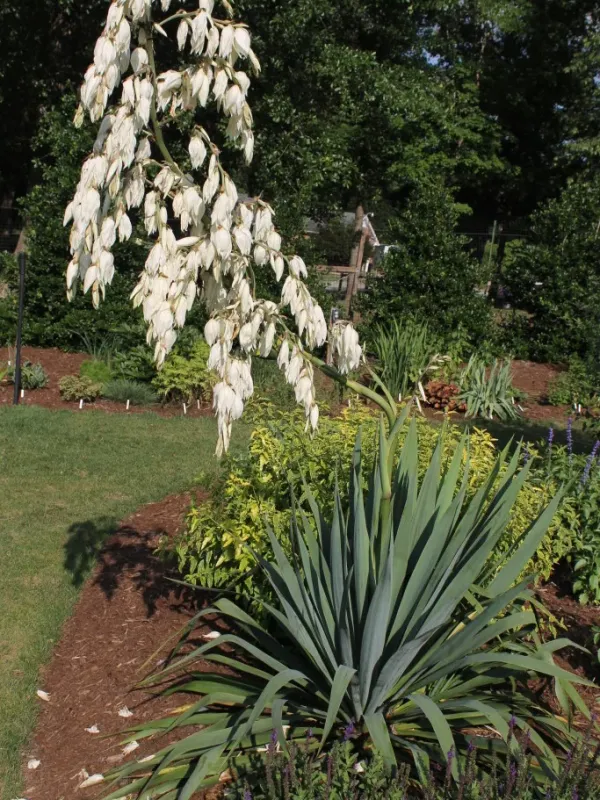
Description
Growing requirements
Yucca hybrids are perennial plants belonging to the Asparagaceae family. These plants are the result of selective cross-breeding of various Yucca species, originating primarily from the arid and semi-arid regions of North America.
Successful cultivation requires soil with excellent drainage, preferably sandy or gravelly loam. Yucca hybrids are highly intolerant to "wet feet," meaning that waterlogging of the root zone almost inevitably leads to root rot.
These plants are sun-loving and thrive in full sun exposure. While they can tolerate partial shade, insufficient sunlight often leads to etiolation, reduced flower production, and a weaker overall structure of the rosette.
Regarding climate, they are highly drought-tolerant and adapted to high-temperature environments. Most hybrid varieties show improved cold hardiness compared to their wild counterparts, but protection is advised in extreme frost zones.
Cultivation practices involve minimal fertilization and strictly regulated watering. In many agricultural applications, these plants are used for their high-quality fiber or as ornamental landscape elements, requiring little maintenance once established.
Main diseases and pests
The primary threats to Yucca hybrids include fungal infections such as root rot and leaf spot diseases, which are almost always triggered by excessive soil or ambient moisture.
Pests that frequently affect the plant include scale insects, mealybugs, and spider mites. These pests thrive in dry environments and can cause significant damage to the leaf tissue if left untreated.
- Monitor for yellowing or spotted leaves as early signs of distress.
- Inspect the base of the plant regularly to identify early signs of fungal decay.
- Apply systemic insecticides during the peak growing season to prevent infestation.
- Improve soil aeration if drainage issues are identified.
- Sanitize gardening tools to prevent the transmission of fungal spores.
Proper sanitation, including the removal of dead or decaying foliage from the base of the plant, is essential to reduce the habitat for pests and pathogens that could jeopardize plant health.
Chemical control should be used judiciously, prioritizing products that target specific pests to preserve the surrounding biodiversity and avoid phytotoxicity in the sensitive leaf structures.