
Yucca filifera
Yucca filifera
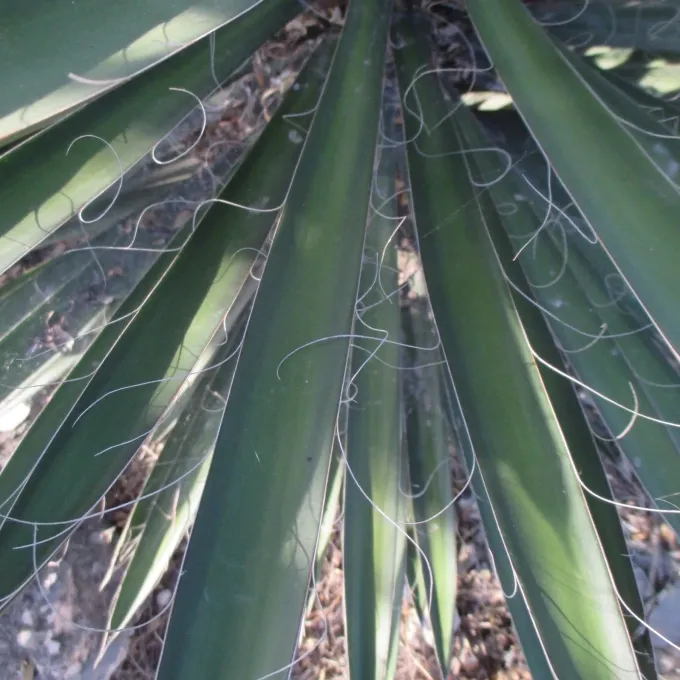
Description
Growing requirements
Yucca filifera is a large, tree-like plant belonging to the Asparagaceae family. Native to arid regions of Mexico, it is biologically adapted to survive in harsh environmental conditions with limited water availability.
The plant requires well-draining soil, ideally sandy or sandy loam textures. Ensuring excellent drainage is a critical prerequisite for commercial cultivation, as it effectively prevents root rot.
As a light-loving xerophyte, it thrives under intense solar radiation. Consistent exposure to sunlight is essential for the development of its characteristic strong, fibrous leaves which form the basis of its economic value.
Temperature management is a vital factor in successful agronomy. While resilient, the species requires a warm climate without severe frost to maintain optimal metabolic activity and biomass production.
Basic maintenance includes ensuring the site remains free from aggressive weeds and conducting occasional soil pH tests to ensure neutral or slightly alkaline conditions for sustained growth.
Yield
The primary economic value of Yucca filifera lies in its technical fiber extraction. The leaves contain high-strength fibers widely utilized in the production of ropes, cordage, and industrial brushes.
Annual yields are influenced by plantation density and local climatic conditions. Strategic planting density allows for maximizing biomass production per hectare while ensuring ease of mechanical harvesting.
Beyond fiber, the plant is valued for its steroidal saponins, which are processed for use in the pharmaceutical and cosmetic industries, creating a secondary revenue stream for producers.
The waste biomass remaining after fiber extraction can serve as a raw material for cellulose production, contributing to a circular economy model within large-scale agricultural operations.
Given the perennial nature of the crop, long-term yields are highly stable. A well-managed plantation remains productive for decades, offering sustained agricultural output after the initial establishment phase.
Main diseases and pests
Fungal diseases represent the most significant threat to Yucca filifera, particularly in environments with excessive humidity. Root decay is the most common issue caused by soil water saturation.
Pests such as mealybugs and spider mites frequently target the leaf surfaces. These infestations can compromise fiber quality by causing physical damage to the leaf structure during the growth cycle.
Proactive disease management involves maintaining proper spacing between plants to encourage airflow. This practice drastically reduces the humidity levels that favor fungal spore germination.
Integrated Pest Management (IPM) strategies, including the use of targeted systemic insecticides, are necessary when pest populations exceed economic injury thresholds on large plantations.
Regular field scouting is essential to identify early symptoms of both fungal infections and pest damage, allowing for localized interventions before problems spread throughout the entire crop area.
Harvesting
Harvesting involves the selective removal of lower leaf tiers. This method ensures that the plant retains its apical meristem, allowing for continued leaf production and plant health throughout the season.
Post-harvest processing utilizes decortication machines to mechanically separate the raw fiber from the fleshy leaf tissues. This process requires precise machine calibration to ensure high-quality, clean fiber.
Drying the fibers is typically performed under the sun. This natural method effectively removes moisture without the need for energy-intensive mechanical dryers, keeping the production process cost-effective.
Once dried, the fiber undergoes a cleaning and grading process based on staple length and tensile strength. These metrics determine the market value of the output for different industrial applications.
Finished fiber bundles are packed into bales for transport. Reliable logistics are critical for moving the product from remote growing regions to industrial processing facilities efficiently.