
Yucca decipiens
Yucca decipiens
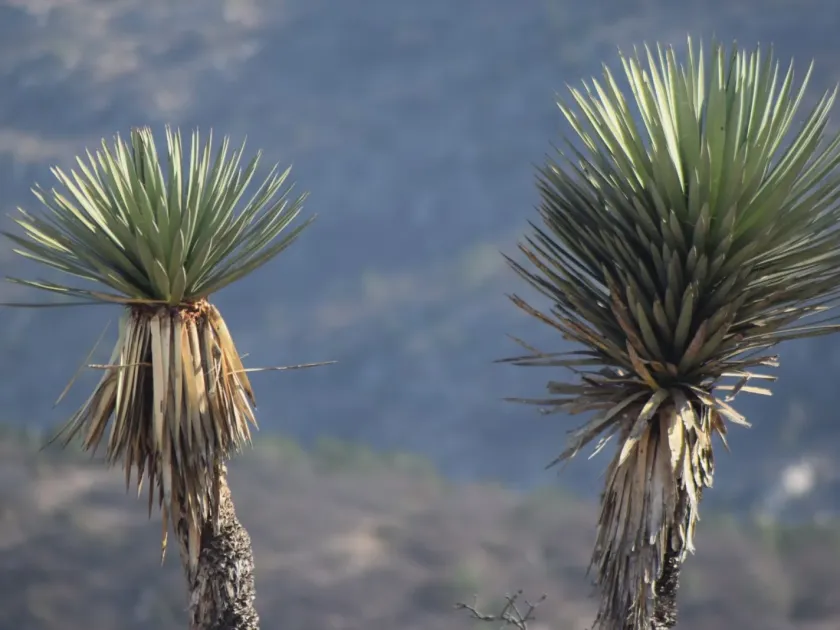
Description
Growing requirements
Yucca decipiens is a magnificent, long-lived woody plant belonging to the Asparagaceae family. This species is characterized by its massive, single or branching trunk and dense rosettes of stiff, sword-shaped leaves that can reach impressive sizes in their native environment.
Originating from the high-altitude arid regions of central Mexico, this species has evolved to thrive in harsh, sun-drenched environments. It exhibits remarkable resilience to extreme temperatures, making it a cornerstone of desert-adapted plant collections.
Success in cultivation depends on providing conditions that mimic its natural habitat. The plant requires full sun exposure and extremely well-draining soil, ideally rocky or sandy substrates, which prevent the root rot commonly associated with moisture retention.
Agricultural management of Yucca decipiens emphasizes minimal water input. Once established, the plant is highly drought-tolerant, requiring irrigation only during prolonged droughts or while growing in containers where soil volume is restricted.
Propagation is primarily achieved through seeds or by removing basal offsets. Due to the slow growth rate, proper site selection is essential, as the plant will dominate its space for many years, demanding very little maintenance compared to standard landscaping crops.
Yield
The primary economic use of Yucca decipiens is in ornamental horticulture and landscape architecture. Its sculptural silhouette provides an architectural focal point in xeric gardens and drought-resistant urban green spaces worldwide.
Historically, fibers from various yucca species have been harvested for cordage, weaving, and textile production. Yucca decipiens, with its robust leaf structure, is occasionally explored for high-quality sustainable fiber applications in artisanal crafts.
In addition to its structural beauty, the plant offers biological value during its bloom cycle. Producing tall, branched inflorescences covered in creamy-white flowers, it acts as a critical nectar source for specialized pollinators in arid ecosystems.
The durability of Yucca decipiens makes it a high-value asset for commercial nurseries. Because the plant requires minimal input (fertilizers, water, labor) over its lifecycle, it represents an efficient crop for sustainable agriculture in hot climates.
As a permanent planting, it provides environmental benefits, including soil stabilization and minimal water footprint, which is increasingly prioritized in contemporary municipal and private sustainable landscaping projects.
Main diseases and pests
The most significant threat to Yucca decipiens is fungal infection resulting from excess humidity. Waterlogged soil or poor ventilation around the leaves promotes root rot and stem rot, which can quickly become lethal to mature specimens.
In sheltered environments, pests such as scale insects and mealybugs can infest the leaf bases. Regular monitoring is recommended to catch infestations early, as their rapid spread can cause significant cosmetic and physiological damage to the plant.
Fungal leaf spot diseases may appear when the foliage remains wet for extended periods. To mitigate this, proper spacing and adequate airflow are crucial, especially in humid regions where the plant is adapted to lower relative humidity levels.
Mechanical damage during pruning or maintenance can expose the plant to opportunistic pathogens. Always sanitize cutting tools before use to ensure that wounds heal correctly and do not provide entry points for bacteria or fungi.
- Ensure excellent soil drainage.
- Avoid overhead irrigation.
- Maintain proper air circulation.
- Sanitize tools before pruning.