
Yucca constricta
Yucca constricta
Description
Growing requirements
Yucca constricta, commonly known as the Buckingham yucca, is a perennial evergreen plant belonging to the Asparagaceae family. Native to the southwestern United States and northern Mexico, this species thrives in arid desert conditions and rocky limestone soils.
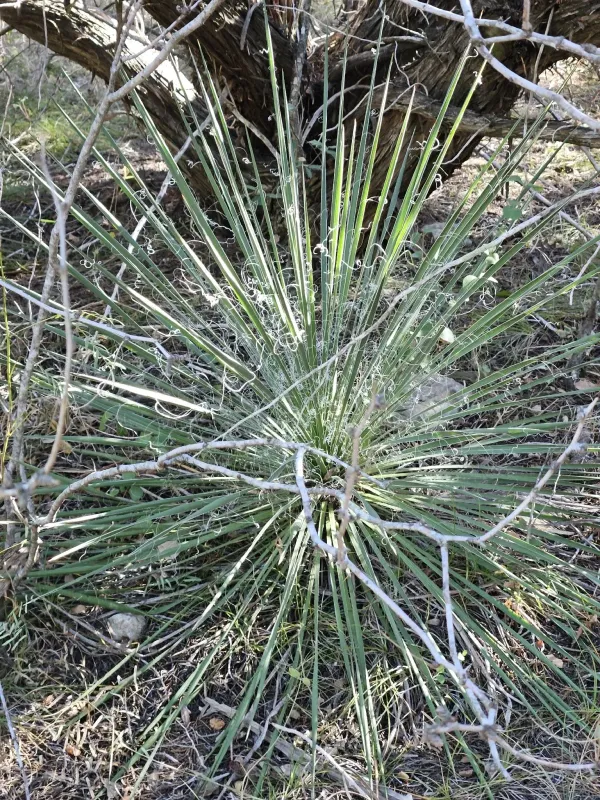
The plant features a basal rosette of narrow, stiff, and often constricted leaves that are highly efficient at retaining water. During its flowering cycle, it produces a tall, central stalk adorned with a dense cluster of creamy-white, bell-shaped flowers that attract specialized pollinators like yucca moths.
Cultivation requirements focus on providing intense solar exposure, as this species is a heliophyte by nature. It is exceptionally drought-tolerant and performs poorly in high-humidity or stagnant environments, making it unsuitable for areas with heavy, water-retentive soils unless modified with gravel.
The soil structure must facilitate rapid water drainage to prevent rot. Planting in well-aerated sandy or loamy soils is essential for longevity. In areas with high rainfall, it is recommended to plant the species on raised berms or slopes to ensure the crown and root system remain dry.
From an agricultural and horticultural perspective, Yucca constricta is prized for its role in xeriscaping and sustainable landscape design. Its ability to survive extreme heat and survive with minimal supplemental irrigation makes it a valuable species for water-wise gardening in arid zones.
Main diseases and pests
The primary threat to Yucca constricta is fungal pathogens, specifically those causing root and crown rot triggered by excessive soil moisture. Maintaining a dry root zone during the dormant season is the most effective way to prevent infection in these desert-adapted specimens.
Insects such as scale insects and spider mites occasionally cause damage, particularly in environments where plant stress is present. Integrated pest management, including the removal of infested leaves and the application of horticultural oils, is typically recommended to keep populations under control.