
Leymus chinensis
Leymus chinensis (Trin.) Tzvelev
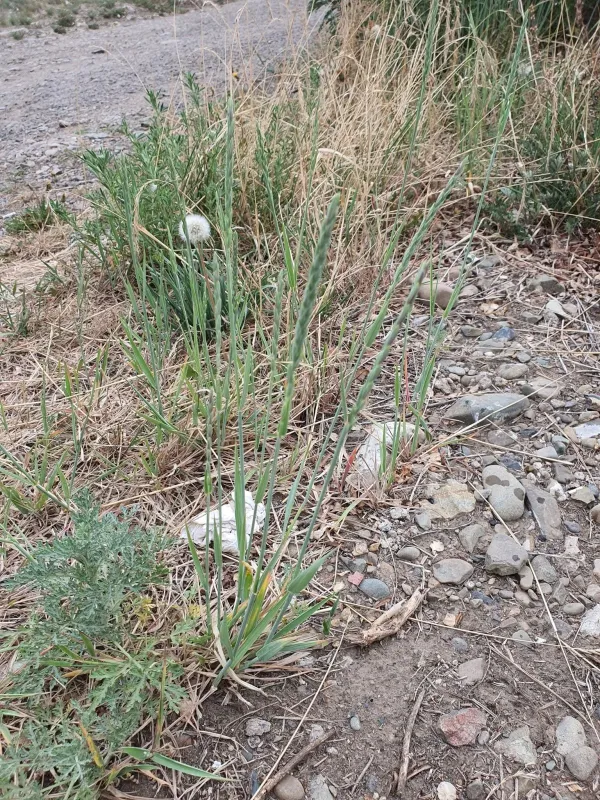
Description
Sowing dates
Leymus chinensis, commonly known as Chinese rye grass, is a perennial rhizomatous grass belonging to the Poaceae family. Sowing is best performed in early spring or late autumn to capitalize on natural temperature fluctuations that aid germination.
The seeding depth should be maintained between 2 to 3 centimeters. Proper soil-to-seed contact is essential for establishment, especially in the typically arid environments where this species is cultivated.
Standard seeding rates range from 10 to 15 kilograms per hectare, depending on the intended use—whether for hay production or as a permanent grazing pasture. It is a slow-growing species during the first year, requiring patience for stand establishment.
Ensuring the seedbed is free from aggressive annual weeds is critical during the initial growth phase, as Leymus chinensis may be outcompeted if not managed correctly during its first few months.
Once established, the grass spreads primarily through its vigorous underground rhizomes, effectively filling in gaps and creating a dense, protective soil cover that prevents erosion.
Growing requirements
This species is renowned for its exceptional tolerance to saline and alkaline soils. It thrives in environments where soil pH levels are often too high for traditional agricultural cereal crops.
Leymus chinensis is highly drought-tolerant and cold-hardy, making it a staple vegetation in the semi-arid grasslands of Eastern Asia, where environmental conditions are harsh and unpredictable.
The plant requires full sun exposure and performs poorly in shaded areas. It prefers well-drained soil and cannot tolerate waterlogging, which often leads to root rot and the decline of the stand.
While it can survive on nutrient-poor soils, fertilization with nitrogen can significantly enhance biomass production, particularly in more intensive agricultural systems where hay yields are prioritized.
The plant demonstrates high ecological plasticity, meaning it can adapt to various soil textures ranging from light sandy loams to heavier clay-based soils, provided they are not excessively compact.
Yield
Yields of Leymus chinensis biomass are highly dependent on moisture availability and soil nutrient levels. Under favorable conditions, it can produce significant amounts of forage per hectare.
The nutritive value of this grass is highest before the onset of flowering. It provides excellent grazing quality for livestock, maintaining good protein levels even after the mid-summer heat.
In addition to its role as a primary feed source, the grass is highly valued for its ability to maintain forage quality into the late autumn, providing essential winter sustenance for grazing herds.
Productivity can be managed through strategic grazing rotation, which prevents the depletion of rhizome reserves and ensures the long-term sustainability of the pasture.
Seed production is an important secondary use, although harvesting must be carefully timed to avoid heavy losses due to the natural tendency of the seeds to shatter upon reaching maturity.
Main diseases and pests
Leymus chinensis is generally robust and resistant to most common grass pathogens. However, in humid or poorly ventilated conditions, rust diseases can occasionally affect the leaf blades.
Common agricultural pests such as aphids, stem borers, and locusts can pose threats during outbreaks. Integrated pest management strategies are recommended to keep damage levels within economic thresholds.
Small mammals and rodents represent a significant threat to the root system, especially during winter months when they may chew on the rhizomes, potentially killing sections of the grass stand.
Effective management includes maintaining a healthy, vigorous stand through proper grazing schedules and avoiding overgrazing, which reduces the plant's natural resistance to environmental stress.
Periodic monitoring of the canopy is advised to detect early signs of pest infestations or disease, allowing for timely intervention before large-scale damage occurs to the crop.
Harvesting
Harvesting for hay should ideally occur at the late-boot or early-heading stage to balance the dry matter yield with the overall nutritional content of the fodder.
After cutting, the hay should be cured rapidly in windrows to preserve its high carotene and protein levels, ensuring a high-quality product that retains its nutritional integrity for winter feeding.
Rotational grazing is the preferred management style, allowing the grass a recovery period of several weeks between grazing cycles, which promotes deep root development and rhizome density.
When harvesting for seed, a direct combine harvest is used once the seed heads indicate maturity. Since the seeds mature unevenly, timing the harvest requires careful field observation to minimize losses.
The stubble remaining after harvest serves as a protective layer, helping to conserve soil moisture and providing a buffer against wind erosion in exposed grassland landscapes.