
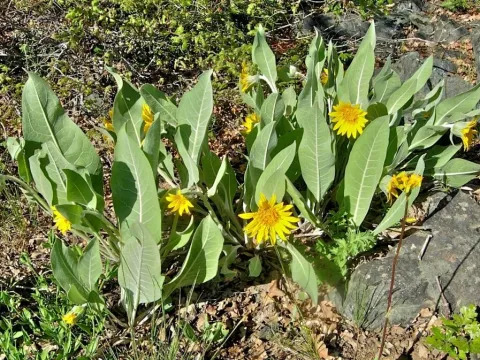
Wythia
Wythia
Planting Wythia requires careful preparation of the soil, ensuring it warms up to at least 12-14 degrees Celsius for successful germination.
What the section contains

Wythia
It is recommended to sow seeds in early spring once the risk of frost has completely passed to protect the young shoots.
The optimal planting depth is between 3 and 5 centimeters, depending on the soil moisture and density to ensure steady growth.
Proper spacing between rows is essential for the healthy development of each plant and to allow for efficient field management.
Careful seed selection and treatment before sowing are critical steps to prevent early-stage seedling issues and improve crop emergence.
Wythia thrives in fertile, well-draining soils with a neutral pH level, avoiding compacted or waterlogged areas of the field.
The crop is highly dependent on sun exposure and requires full sunlight for photosynthesis to drive maximum growth and development.
Consistent and controlled irrigation is a mandatory requirement, especially during the flowering stage when the plant is most vulnerable.
Field maintenance involves keeping the area free from aggressive weeds that compete for sunlight and essential soil nutrients.
Periodic soil analysis is recommended to adjust fertilization programs and provide the crop with necessary nitrogen, phosphorus, and potassium.
The average yield of Wythia under optimal conditions ranges from 25 to 40 decitons per hectare, depending on local climate factors.
Achieving high productivity is largely dependent on the effective use of fertilizers and the management of soil moisture levels.
Technological improvements in harvesting and post-harvest handling have significantly increased the net yield available for market distribution.
Crop rotation practices can further boost yield potential by restoring soil health and reducing the accumulation of specific pests.
Farmers are encouraged to track growth parameters throughout the season to adjust inputs and ensure maximum harvest potential.
Wythia is susceptible to various fungal pathogens which can proliferate rapidly if humidity levels remain high for extended periods.
Insect pests, including aphids and leaf-eating beetles, represent a significant threat to the leaf surface and overall plant health.
Integrated Pest Management (IPM) strategies are highly effective in controlling populations of pests while minimizing the use of synthetic chemicals.
Monitoring the fields for early signs of infection or infestation is key to preventing widespread damage throughout the crop.
- Powdery mildew
- Root rot
- Aphids
- Whiteflies
Harvesting Wythia should take place when the fruit reaches physiological maturity, indicated by specific color changes and firmness.
It is best to conduct harvesting operations in dry weather to preserve the quality of the product and prevent premature rot during storage.
Using modern machinery allows for efficient harvesting, provided that the equipment is calibrated to minimize physical stress on the crop.
Immediate post-harvest processing, including cleaning and sorting, is necessary to prepare the output for final storage or immediate distribution.
Maintaining a controlled storage environment is vital for extending the shelf life and maintaining the quality of the harvested produce.