
Wythia amplexicaulis
Wythia amplexicaulis
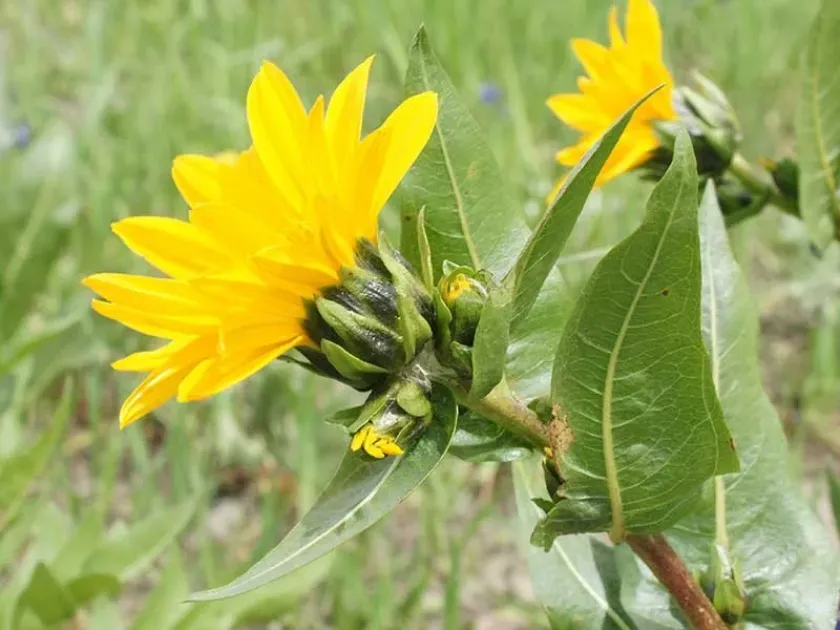
Description
Sowing dates
Sowing Wythia amplexicaulis is ideally carried out in early spring, once the soil temperature consistently reaches 10–12°C. Adequate soil moisture is essential for successful germination of the seeds.
Seeds should be planted at a shallow depth, typically 1 to 2 centimeters. Proper seed-to-soil contact is critical to ensure uniform emergence in the field.
Wide-row planting with spacing between 45 and 60 centimeters is recommended. This setup provides sufficient room for the plant to develop its robust leaf rosette in the first season.
Early sowing allows the crop to utilize residual moisture effectively. Once established, the plant shows strong vigor, which helps it compete against surrounding weed populations.
For commercial production, using precision seeders helps achieve the desired plant density and ensures proper airflow between rows, reducing the risk of fungal issues.
Growing requirements
Wythia amplexicaulis belongs to the Asteraceae family. This perennial herb is native to open, sun-drenched environments and requires full sunlight for optimal growth.
The plant thrives in well-drained, fertile loam soils. While it can tolerate various soil conditions, extreme waterlogging should be avoided at all costs to prevent root damage.
One of its primary characteristics is drought tolerance, supported by an extensive root system. This allows the plant to persist through periods of limited rainfall and high heat.
The ideal temperature range for active vegetative development is between 18°C and 25°C. Exposure to extreme cold during the dormant season is well-tolerated by established plants.
Cultivation should focus on sites with good drainage and exposure to prevent conditions that favor moisture-loving pathogens, which can affect overall biomass yield.
Main diseases and pests
Root rot caused by stagnant water or poor soil drainage is the most significant threat to Wythia amplexicaulis. Proper land leveling and drainage management are essential.
Leaf-feeding insects can occasionally impact crop health. Regular monitoring during the peak growing season allows for early detection of pest pressure and potential outbreaks.
Powdery mildew may occur if planting density is too high or if air circulation is restricted. Managing plant density and field hygiene are effective cultural control methods.
Implementing a proper crop rotation strategy prevents the build-up of soil-borne pathogens, ensuring the long-term health and productivity of the field.
Integrated pest management (IPM) practices, including biological controls, are recommended to maintain plant health while reducing the dependency on chemical interventions.