
Silky wisteria
Wisteria venusta
Description
Growing requirements
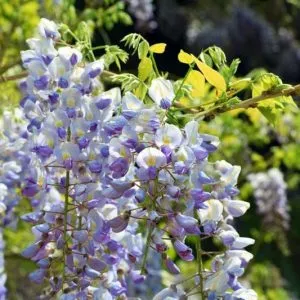
Silky wisteria (Wisteria venusta) is a stunning deciduous climbing vine belonging to the Fabaceae family. It is highly valued for its large, fragrant, white or lavender-scented flowers that drape in impressive clusters, creating a dramatic focal point in any garden setting.
Native to Japan, this species is characterized by its velvety, silky hairs on the leaves and stems, which distinguish it from other popular wisteria varieties. As a vigorous climber, it is frequently used to cover structures like pergolas, arbors, and large walls.
The plant thrives in full sun, which is essential for ensuring robust flower production. It prefers deep, loamy, and well-draining soil that remains consistently moist but not waterlogged, as stagnant water can lead to root rot and other physiological issues.
In terms of climate, silky wisteria requires a warm growing season to fully mature its wood and prepare for the next year's bloom. In colder regions, providing a sheltered location and winter mulching is necessary to protect the root system from freezing temperatures.
Cultural management relies heavily on precise pruning. Gardeners should prune the vine twice annually: once in summer after flowering to control growth and once in late winter to shorten spurs, which encourages the development of flower buds for the upcoming spring season.
Main diseases and pests
While generally hardy, wisteria can be prone to specific health issues such as powdery mildew, especially in humid conditions with poor air circulation. Proper spacing and thinning out the canopy help maintain plant health and reduce the risk of fungal infections.
Insect pests, including aphids, leaf miners, and spider mites, may infest the foliage during the peak growing season. Integrated pest management, involving regular inspections and the application of appropriate horticultural oils or systemic insecticides, is recommended for effective control.