
Wisteria hybrids
Wisteria hybrids
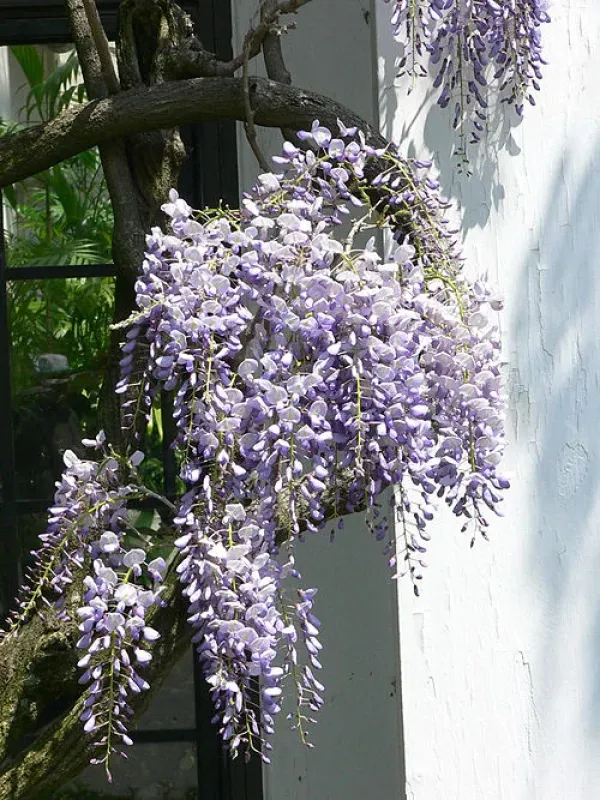
Description
Growing requirements
Wisteria hybrids (Wisteria hybrids) are vigorous, woody climbing plants belonging to the Fabaceae family. These hybrids represent a refined selection of species, such as W. sinensis and W. floribunda, developed to provide superior floral displays and improved hardiness for horticultural use.
Successful cultivation requires a location with full sun exposure, ideally receiving at least six to eight hours of direct light daily. The site should provide protection from strong winds, which can damage the long, pendulous racemes and young succulent stems during the spring growth flush.
The plant thrives in deep, fertile, moist, and well-drained loamy soils. It prefers a slightly acidic to neutral pH level. It is crucial to incorporate organic matter into the planting site to ensure adequate nutrient availability and moisture retention during the peak growing season.
In terms of climate, wisteria hybrids require a temperate environment with distinct seasonal changes. While they are more cold-tolerant than some species, they appreciate a warm summer to fully ripen the wood and develop the flower buds necessary for the following spring season.
A rigorous pruning regime is essential for both structural integrity and floral productivity. Gardeners must perform bi-annual pruning: summer pruning to manage vegetative sprawl and dormant winter pruning to ensure that each flowering spur is properly positioned for the coming bloom.
Main diseases and pests
Chlorosis is a common metabolic disorder in wisteria hybrids, often triggered by alkaline soils that inhibit iron uptake. Growers should test the soil pH and apply chelated iron supplements to restore foliage color if yellowing occurs between the veins.
Aphids are frequent visitors during the spring, colonizing the tender new growth and developing flower buds. While usually controlled by natural predators, heavy infestations may require the application of horticultural oils or contact insecticides.
Powdery mildew can affect the leaves, particularly during periods of high humidity and poor air circulation. Proper spacing between plants and thinning of the canopy are the best preventive measures to ensure adequate airflow within the foliage.
Root rot, caused by various fungal pathogens like Phytophthora, often occurs in waterlogged soils. Ensuring excellent drainage and avoiding over-irrigation are critical practices to maintain a healthy root system and prevent plant collapse.
Leaf spots caused by various fungi can occur during prolonged wet weather. It is advisable to clear away fallen leaves in autumn to reduce the pathogen load in the immediate vicinity of the plant and maintain overall hygiene in the garden.