
Wislizenia refracta
Wislizenia refracta
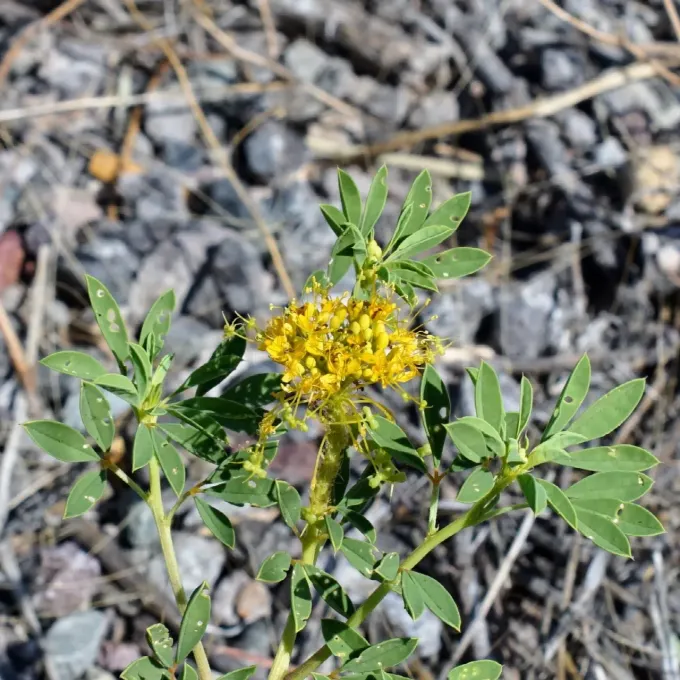
Description
Sowing dates
Wislizenia refracta, commonly known as Jackass clover, requires warm soil temperatures to germinate successfully. Sowing should be scheduled for late spring when the risk of frost has completely passed.
The seeds should be planted in rows with adequate spacing to facilitate mechanical cultivation and ensure sufficient sunlight exposure for each individual plant.
Seed depth should be kept shallow, typically around 2 to 3 centimeters, to ensure that the seedlings do not expend unnecessary energy reaching the soil surface.
Once seedlings emerge, thinning is highly recommended to reach an optimal plant density. This ensures that the crop has enough space to develop its taproot and canopy efficiently.
In regions with shorter growing seasons, starting the plants in trays before transplanting is a viable strategy to maximize the vegetative period and ensure full maturity of seeds.
Growing requirements
This crop is well-known for its impressive drought tolerance, making it an excellent candidate for arid agricultural zones where traditional irrigation is limited.
It prefers well-drained, light-textured soils such as sandy or sandy-loam types. Poor drainage is the most significant factor that can lead to crop failure, as roots are sensitive to waterlogging.
The species shows a high tolerance for alkaline soils and can even thrive in environments with moderate salt content, where many other common agricultural crops would fail.
While extremely resistant to arid conditions, the plant responds favorably to moisture during the critical flowering stage, which directly impacts the total number of seed pods produced.
Routine weeding and soil aeration between rows are essential management practices to maintain the health of the root system and to prevent competition for nutrients from invasive weeds.
Yield
The yield of Wislizenia refracta is primarily focused on seed production, as the seeds are rich in oils that have significant industrial and potential nutritional applications.
Factors influencing yield include environmental temperature during seed filling and the availability of essential micronutrients in the soil during the peak blooming phase.
Proper spacing is crucial; excessively dense plantings can cause etiolation and reduce the reproductive output of the plants, leading to a smaller overall harvest per hectare.
For industrial cultivation, phosphorus and potassium applications have been shown to improve plant vigor and increase the weight of the harvested seeds significantly.
To maximize harvest quality, growers must balance irrigation levels throughout the growing season, focusing moisture availability during the pod-forming phase.
Main diseases and pests
The primary threats to Wislizenia refracta are fungal infections of the root system, which are almost always a result of excessive soil moisture or poor drainage conditions.
Common insect pests, including aphids and various lepidopteran larvae, can damage the foliage during the early stages of development, potentially checking the plant's growth.
Integrated pest management (IPM) is the best approach to control populations of harmful insects without compromising the ecological health of the production area.
Crop rotation is vital; avoiding the planting of Wislizenia refracta after other species of the Capparaceae family helps in breaking the life cycle of specialized soil pathogens.
Regular field scouting is recommended to identify early signs of nutrient deficiency or localized pest outbreaks before they spread across the entire plantation.
Harvesting
Harvesting should take place during the period of full physiological maturity. The seed pods will turn a darker color and become brittle, signaling that the plant is ready for collection.
Mechanical harvesting via combine harvesters is the most efficient method, but settings must be carefully calibrated to minimize shattering of the pods and loss of seeds.
Immediate post-harvest cleaning and drying are necessary to prevent fungal growth on the seeds, which could spoil the oil quality if left in moist, bulk conditions.
Drying should be performed in a cool, ventilated area away from direct sunlight, ensuring the moisture content drops to the required safety threshold for long-term storage.
Finally, seeds should be stored in clean, airtight, and pest-proof containers to maintain their viability and oil content until they are ready for processing or sale.