
Wedelia
Wedelia trilobata (L.) Hitchc.
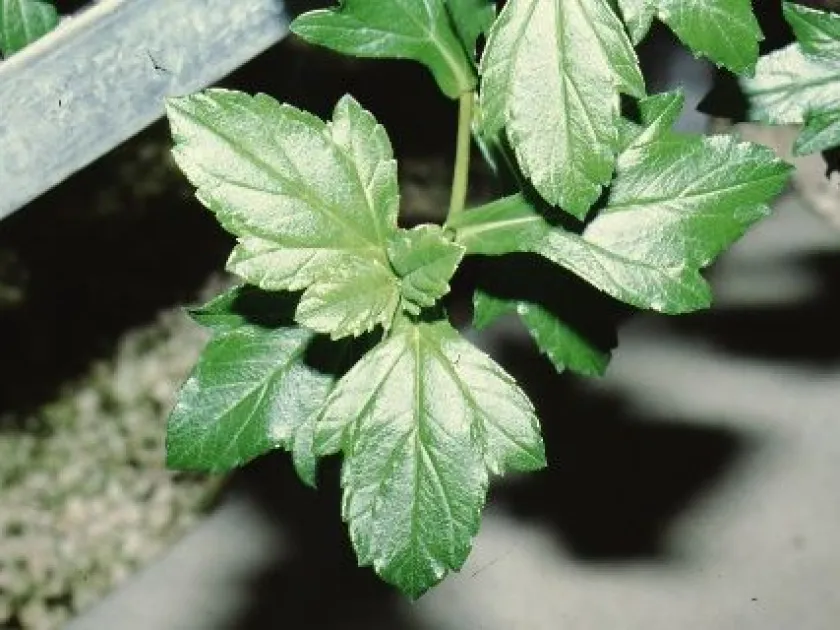
Description
Growing requirements
Wedelia trilobata is a perennial evergreen herb belonging to the Asteraceae family. It is native to tropical regions of Central and South America but has been introduced to many tropical areas worldwide for ornamental purposes.
This species is characterized by its creeping stems that spread rapidly and root at the nodes. The leaves are distinctively three-lobed, glossy, and green, providing an excellent aesthetic groundcover effect in warm climates.
The plant is highly versatile regarding soil conditions. It thrives in various soil textures, including clay, sand, and loam, provided that there is adequate moisture availability and proper drainage to prevent root rot.
Climatically, it requires full sun to partial shade for optimal health. It is extremely sensitive to cold and does not tolerate freezing temperatures, which restricts its outdoor cultivation to tropical and subtropical zones.
Agronomic management involves periodic trimming to maintain growth within desired boundaries. Given its rapid growth rate, it is often used as a soil stabilizer on slopes to prevent erosion in tropical landscaping.
Main diseases and pests
Wedelia is generally recognized for its robust health and resistance to many pests and diseases. However, in poorly drained or overly saturated conditions, it may become susceptible to fungal pathogens causing crown rot.
Pest issues are rare but can include occasional infestations of aphids or spider mites. These are typically managed through natural biological controls or simple mechanical removal of affected leaves.
The primary agricultural challenge with Wedelia is its invasive nature. In many regions, it is considered a significant weed because it spreads aggressively and outcompetes native plant species in diverse habitats.
To maintain plant health, it is essential to ensure adequate airflow within the thick groundcover. Overcrowding can sometimes lead to micro-climates favorable for leaf-spotting fungi during rainy seasons.
Integrated pest management protocols focus primarily on preventing the uncontrolled spread of the plant to sensitive areas, rather than treating individual plant diseases with chemical applications.