
Watsonia meriana
Watsonia meriana (L.) Mill.
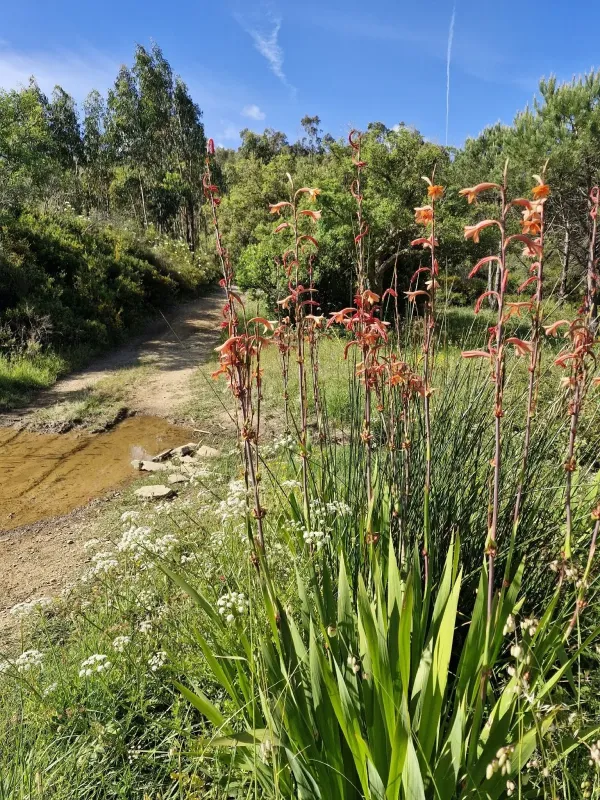
Description
Sowing dates
Watsonia meriana is an attractive ornamental species belonging to the Iridaceae family. The plant propagates effectively through the division of its corm offsets during the dormant season, which is the most reliable method for amateur and professional growers.
Seed propagation is also possible but requires careful handling in a controlled greenhouse environment. Seeds should be sown in a well-draining potting medium in early spring and kept moist to encourage uniform germination.
When transplanting into the open field, ensure the site receives full solar exposure for optimal vegetative growth. Proper spacing of 20 centimeters between plants is essential to prevent overcrowding and ensure healthy development.
The planting depth for corms should typically be around 10 centimeters. Applying a thin layer of compost at the base of the planting hole can provide a nutrient boost for the developing root system.
Early preparation of the planting area, including soil aeration and basic fertilization, sets the stage for high-quality flower production. It is recommended to choose a location that offers protection against heavy winds, as the tall flower stalks are prone to lodging.
Growing requirements
The species requires light, fertile, and free-draining soil to prevent corm rot. If the soil is heavy or clay-like, incorporating organic matter and coarse sand is highly recommended to improve drainage and physical structure.
As a native of South Africa, Watsonia meriana is sensitive to freezing temperatures. In regions with harsh winters, the corms must be lifted from the ground, dried, and stored in a cool, dark, and frost-free area until spring.
Irrigation management is crucial during the growing phase. Regular but moderate watering supports the formation of lush foliage and vibrant inflorescences, while overwatering can significantly increase the risk of fungal infections.
Top-dressing with a balanced, slow-release fertilizer during the onset of active growth is beneficial. Avoid excessive nitrogen, as it promotes foliage growth at the expense of floral development.
Weed control is essential, especially in the early stages of growth, to ensure the plants do not compete for resources. Manual weeding is often safer than chemical applications to avoid damaging the shallow root system.
Main diseases and pests
Spider mites and thrips are common pests that thrive in hot, dry conditions. Regular monitoring of the underside of leaves and prompt application of acaricides can mitigate damage to the photosynthetic apparatus.
Fungal rots are the most serious threats to the corms. Ensuring proper storage conditions, specifically low humidity and adequate airflow, is the primary defense against pathogens attacking the underground plant parts.
Slugs and snails can cause significant aesthetic damage by feeding on the leaves. Barrier methods, such as copper tape or crushed eggshells, provide eco-friendly protection without the use of harsh chemical molluscicides.
Viral infections may be transmitted by sucking insects, resulting in stunted growth and discolored foliage. Strict sanitation measures and the use of healthy, certified planting material are the only ways to prevent these issues.
Proper harvest and cleaning of the corms before winter storage are vital. Removing damaged or rotten segments helps maintain the health of the entire collection and ensures higher survival rates during the inactive season.