
Watsonia bulbillifera
Watsonia bulbillifera J. W. Mathews & L. Bolus
Description
Growing requirements
Watsonia bulbillifera is a perennial bulbous plant belonging to the Iridaceae family. Native to South Africa, it is widely appreciated for its striking, trumpet-shaped flowers that appear on tall, elegant spikes during the active growing season.
The plant thrives in full sun, requiring at least six to eight hours of direct light daily to ensure vigorous growth and abundant flowering. It prefers well-drained, sandy loam soils that are rich in organic matter but have excellent moisture permeability.
Climate requirements for this species are specific: it prefers Mediterranean-like conditions with mild, wet winters and dry summers. Since it is not frost-tolerant, cultivators in cooler regions must treat it as a tender perennial, lifting the corms before the first frost.
Watering management is crucial; the soil should be kept consistently moist during the spring growth phase. However, once the plant enters its dormancy period in late summer, water should be significantly reduced to allow the corms to ripen and prevent rot.
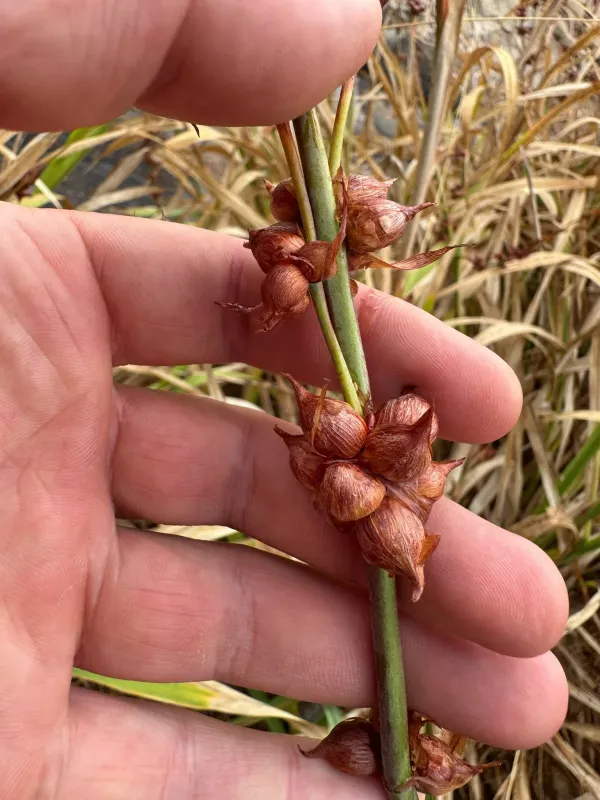
Propagation is notably efficient due to the plant's unique ability to produce small bulblets on its flower stems. These bulblets can be harvested and planted in nursery beds, where they will develop into mature, flowering plants within a few seasons.
Main diseases and pests
The primary pests affecting Watsonia are aphids and spider mites, which can cause significant stress to the plant by feeding on sap. In some environments, thrips may also infest the foliage, leading to unsightly silvery scarring on the leaves.
Fungal diseases, specifically Fusarium wilt and botrytis, are significant threats, particularly when plants are grown in poorly ventilated areas or overly damp soils. These pathogens can rapidly destroy the corm system if not identified and treated early.
Effective management strategies include ensuring proper spacing between plants to maximize air circulation. Applying a fungicide treatment to corms prior to planting can serve as an essential preventative measure against soil-borne infections.
Regular monitoring of the foliage and the neck of the plant is recommended. If any wilting or yellowing appears unexpectedly, the plant should be inspected for signs of rot, and the surrounding soil should be checked for moisture levels.
Maintaining a high standard of sanitation by removing dead foliage and debris at the end of the season prevents pests and diseases from overwintering. Keeping tools sterilized and managing soil drainage are the cornerstones of a successful horticultural strategy.