
Washingtonia robusta
Washingtonia robusta
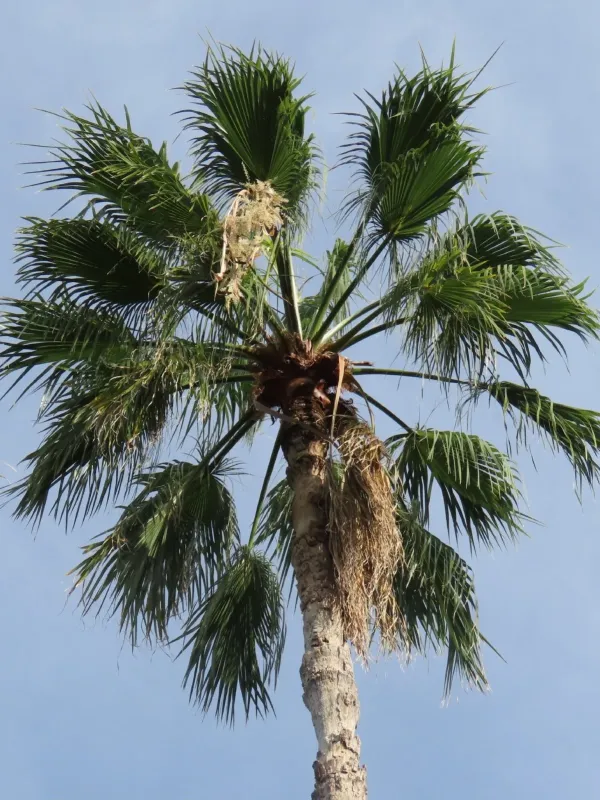
Description
Sowing dates
Washingtonia robusta is propagated through seeds. To maximize germination rates, it is recommended to soak the seeds in warm water for 24 hours prior to planting to soften the hard outer seed coat.
The seeds should be sown in a well-draining, sterile potting mix. A temperature range of 25–28 degrees Celsius is ideal for uniform germination, which typically occurs within 3 to 6 weeks.
Once the seedlings develop two or three true leaves, they should be carefully transplanted into individual pots. It is crucial to use a deep container to accommodate the primary taproot of the palm.
During the initial growth stages, seedlings require high humidity and consistent moisture. Avoiding soil compaction is essential, as the root system needs excellent aeration to thrive.
Exposure to natural light should be gradual for young plants. Starting with filtered light and slowly transitioning to full sun prevents leaf scorch and promotes healthy chlorophyll development.
Growing requirements
Washingtonia robusta, commonly known as the Mexican fan palm, belongs to the Arecaceae family. It is native to the desert regions of Mexico, where it often grows in areas with seasonal water availability.
This palm is characterized by its tall, slender trunk and distinctive crown of large, fan-shaped leaves. In ideal conditions, it is a fast-growing species, making it a popular choice for ornamental landscaping.
The plant requires full sun to maintain its structural integrity and prevent the foliage from becoming sparse. Soil requirements are minimal, provided the medium is porous and does not retain excess water.
Temperature tolerance is a key feature of this species. While it thrives in warm, subtropical climates, it can tolerate occasional light frosts once established, though mature specimens are more resilient.
Watering should be deep but infrequent, allowing the top layer of the soil to dry out between sessions. Overwatering is the most common error that leads to physiological stress and root death.
Main diseases and pests
The most common pests affecting the Mexican fan palm are spider mites, especially in indoor environments with low humidity. Regular misting and leaf cleaning are effective preventive measures.
Scale insects can also infest the stems and undersides of leaves. These pests are best managed by manual removal followed by the application of horticultural oils or systemic insecticides if the infestation is severe.
Root rot is the most serious disease threat, typically caused by waterlogged soil and poor drainage conditions. If observed, it requires immediate intervention through repotting and soil aeration.
Leaf spot diseases, often caused by fungal pathogens, may emerge if the plant is exposed to consistently damp conditions without adequate airflow. Pruning affected fronds and improving ventilation are primary control steps.
Maintaining a balanced nutritional program with micronutrients prevents deficiency-related stress, which often manifests as leaf yellowing and makes the plant more susceptible to secondary infections.