
Washingtonia filifera
Washingtonia filifera
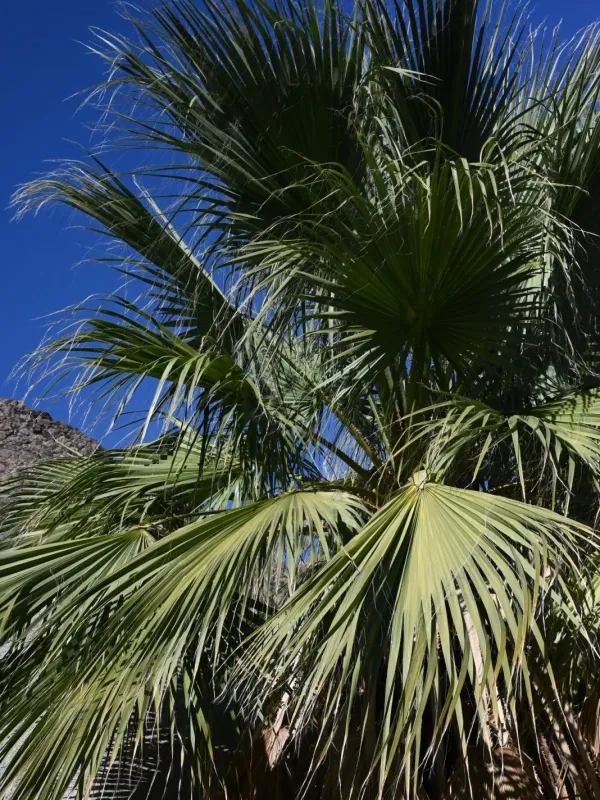
Description
Sowing dates
Propagation of Washingtonia filifera is primarily achieved through seeds. To ensure optimal germination, seeds should be soaked in warm water for approximately 24 hours prior to planting to soften the hard outer coat.
Seeds are sown in a light, well-draining seed-starting mix, typically containing perlite and peat moss. They should be covered lightly with soil and kept in a warm environment, ideally between 25 and 30 degrees Celsius.
Germination is often asynchronous, with seedlings emerging anywhere from two weeks to several months after sowing. It is crucial to maintain consistent moisture and prevent the growing medium from drying out during this stage.
Once the seedlings develop their first true leaves, they should be carefully transplanted into individual pots. The root system is extremely delicate and prone to transplant shock, requiring gentle handling during the process.
Young palms are then moved into larger containers periodically using the repotting method. This ensures that the root system has sufficient space to grow without causing unnecessary disturbance to the established root mass.
Growing requirements
Washingtonia filifera, commonly known as the desert fan palm, is a member of the Arecaceae family. It is native to the desert regions of Southern California and Northern Mexico, where it often grows near groundwater sources.
This species is highly heliophilic, meaning it thrives in full sun exposure. In indoor settings, placing the plant in the brightest possible location is essential to prevent etiolation and maintain its structural integrity.
The palm prefers a fertile, loamy soil with excellent drainage capabilities. A slightly acidic to neutral pH level is ideal for nutrient uptake, ensuring healthy development of the fan-shaped fronds.
Regular irrigation is required during the active growing season. However, it is vital to allow the top layer of soil to dry out between waterings to prevent the development of root diseases caused by anaerobic conditions.
Temperature management is straightforward: the plant prefers warm summer temperatures and a cooler, dormant period during the winter months. Proper ventilation is also important to prevent humidity-related issues in the canopy.
Main diseases and pests
Common pests affecting Washingtonia filifera include spider mites and scale insects, which are particularly prevalent in low-humidity environments. These pests can cause discoloration and premature drying of the leaves.
Regular cleaning of the foliage with a damp cloth and maintaining adequate air circulation significantly reduces the risk of infestations. If pests persist, insecticidal soaps or specific miticides should be applied as directed.
Root rot is a major threat caused by overwatering and inadequate drainage. This fungal condition can be fatal, making it essential to ensure that the pot has proper drainage holes and that water does not pool in the tray.
Fungal leaf spot diseases may develop if there is insufficient airflow or if the leaves remain wet for extended periods. Pruning affected fronds and applying copper-based fungicides are standard remedial actions.
Nutritional deficiencies, especially in magnesium or iron, can cause yellowing of the foliage. Using a balanced, slow-release palm fertilizer according to the growth cycle helps maintain the health and vigor of the plant.