
Wahlenbergia marginata
Wahlenbergia marginata
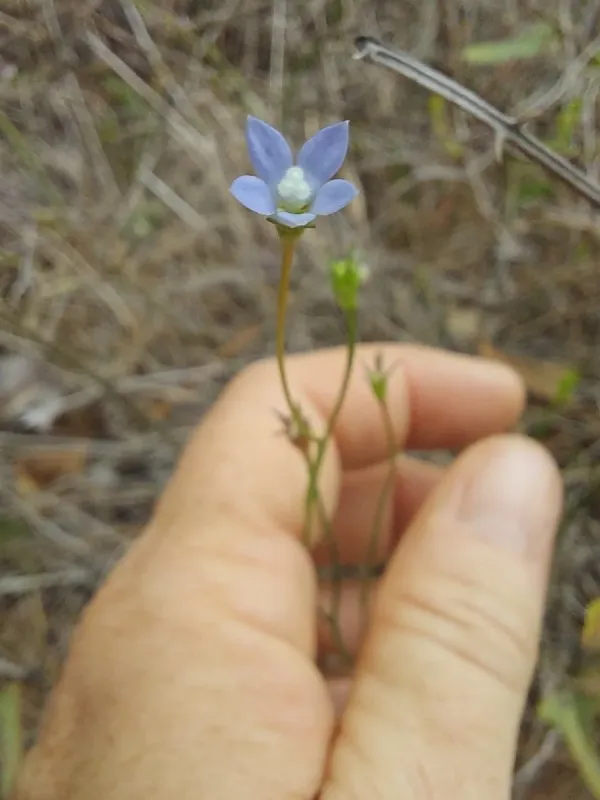
Description
Sowing dates
Wahlenbergia marginata is a herbaceous species belonging to the Campanulaceae family. It is widely distributed across regions in Asia and Australia, where it thrives in diverse environments, from open meadows to rocky outcrops.
Seeds of this plant are extremely small and require careful handling during the sowing process. It is advisable to mix seeds with fine sand to ensure an even distribution across the growing medium without burying them too deeply.
The germination process requires exposure to light, so seeds should be pressed lightly onto the surface of the soil. Maintaining a consistent temperature between 18 and 20 degrees Celsius is essential for high germination rates.
When starting indoors, use a well-drained, sterile seed-starting mix. Cover the tray with clear plastic or glass to maintain high humidity until the first true leaves emerge, then provide adequate ventilation.
Transplanting into the garden should occur only after the danger of frost has passed. Ensure that the plants are hardened off gradually over a week to help them adapt to outdoor environmental conditions.
Growing requirements
This species requires well-drained, slightly fertile soil to perform at its best. If the soil is heavy clay, incorporating organic matter and sand can significantly improve its aeration and water-holding capacity.
Wahlenbergia marginata prefers full sun exposure to maintain its compact growth habit and encourage continuous flowering. In extremely hot climates, some shade during the hottest part of the day can be beneficial.
Consistent moisture is important, but waterlogging must be avoided at all costs. The irrigation strategy should focus on keeping the root zone slightly moist without creating saturated soil conditions that foster fungal growth.
Regular fertilization with a balanced, water-soluble fertilizer helps sustain vigor throughout the long flowering period. However, avoid excessive nitrogen, which can lead to lush foliage growth and reduced flower production.
Weed control is critical for this species, as it does not compete well with vigorous weeds for nutrients, space, or light. Using mulch around the base of the plant can help suppress weeds and retain soil moisture.
Main diseases and pests
Fungal diseases are the primary threat, especially in humid or stagnant conditions. Root rot and powdery mildew are common issues that require careful attention to air circulation and drainage to prevent.
Pests such as aphids and spider mites can infest the plant, particularly during dry, hot spells. Early detection is key; inspect the undersides of leaves regularly and apply appropriate treatments if colonies are found.
Slugs and snails can cause significant damage to the delicate foliage of young plants. Setting up physical barriers or using pet-safe baits around the planting site can protect the plants from these nocturnal pests.
Proper plant spacing is the best preventative measure against many pathogens. Ensuring that leaves can dry quickly after irrigation or rainfall significantly reduces the risk of fungal outbreaks.
If chemical interventions are necessary, always select products specifically labeled for use on ornamental plants and follow the application instructions carefully to avoid causing phytotoxicity or environmental harm.