
Wahlenbergia lobelioides
Wahlenbergia lobelioides
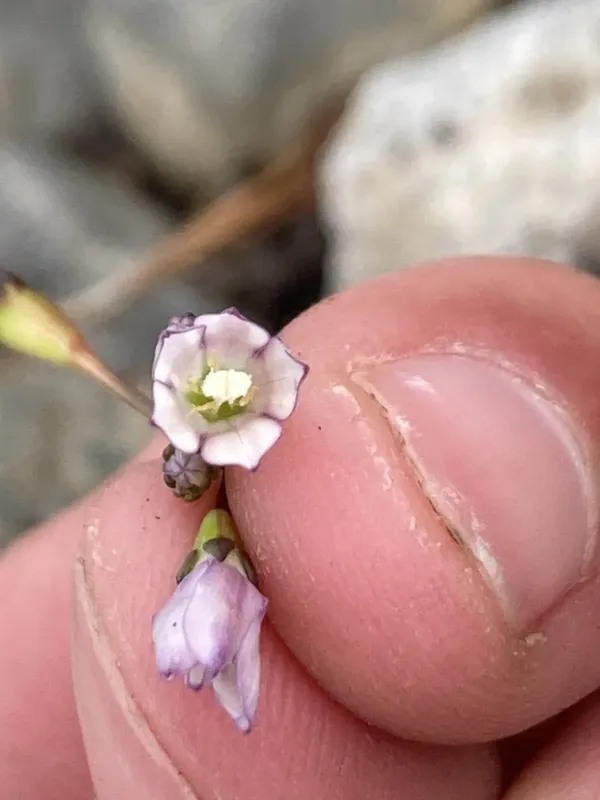
Description
Sowing dates
Wahlenbergia lobelioides belongs to the Campanulaceae family and is recognized for its unique, delicate growth habit. As an annual herb, it requires specific attention during the establishment phase to ensure optimal crop density.
Seeds should be sown in early spring, preferably in a greenhouse or controlled environment. The seeds are extremely small, necessitating surface sowing without deep coverage to ensure adequate light exposure for germination.
Optimal germination occurs at temperatures between 18 and 20 degrees Celsius. Maintaining high humidity without saturating the medium is crucial for achieving consistent germination rates across the seed tray.
Seedlings should be thinned or transplanted into individual containers once they develop their first set of true leaves. This helps to prevent overcrowding, which can lead to elongated, weakened stems that are prone to lodging.
Hardening off the plants before permanent field planting is an essential step in the nursery process. This allows the plants to acclimatize to outdoor conditions, reducing transplant shock and promoting faster establishment.
Growing requirements
This species performs best in light, well-draining soils with a neutral pH. Proper soil structure is vital, as heavy, clay-rich soils tend to retain too much moisture, which is often detrimental to the root system.
Adequate sunlight is essential for healthy development. While Wahlenbergia lobelioides can tolerate partial shade, maximum flowering intensity is achieved in full sun exposure, provided that moisture levels are strictly managed.
Watering frequency should be adjusted based on evaporation rates and growth stages. During the peak of the growing season, regular irrigation prevents stress, while avoiding waterlogging remains a top priority to prevent root health issues.
Nutrient management involves applying balanced, low-nitrogen fertilizers to support flowering rather than excessive vegetative growth. This approach ensures a compact plant shape and prolongs the blooming period throughout the summer.
The climate requirement centers on moderate temperatures. The plant does not perform well under extreme heat or severe frost, necessitating careful site selection or the use of protective structures in regions with volatile weather.
Main diseases and pests
Aphids represent a primary pest threat, particularly during the early growth stages. Integrated pest management strategies, including the introduction of beneficial insects, can effectively mitigate damage without excessive chemical use.
Fungal issues, such as root rot, often arise from poor drainage and high soil moisture. Selecting well-aerated substrates and maintaining appropriate watering protocols are the most effective preventative measures against these pathogens.
Powdery mildew may occur if air circulation is insufficient within the planting bed. Increasing spacing between plants or thinning out overcrowded areas is necessary to improve airflow and reduce humidity levels around the foliage.
Slugs and snails can cause significant damage to young transplants, particularly in wet environments. Utilizing barrier methods or selective baiting is recommended to protect the crop from feeding damage during the establishment period.
Regular monitoring of the field is necessary to identify early signs of infestation or disease. Swift intervention through cultural practices or appropriate plant protection products is key to maintaining crop vitality throughout the cycle.