
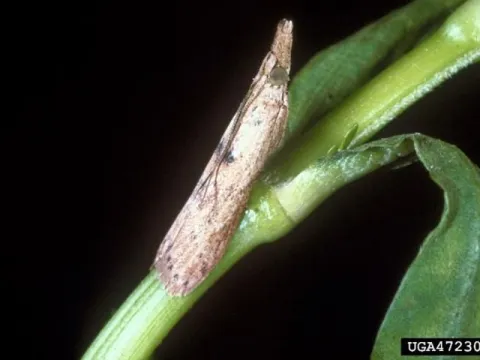
Vogtia
Vogtia
In modern agronomy, the genus Vogtia is not cultivated as a crop but serves as a vital biological control agent for managing specific aquatic and semi-aquatic weeds.
What the section contains


Vogtia
The introduction of these organisms is strictly timed to coincide with the developmental stages of the host weed, ensuring the larvae can effectively feed upon the target biomass.
Strategic release schedules are developed by agronomists to maximize the impact on the invasive plant population before it reaches the flowering or seed-bearing stage.
Fields or aquatic sites designated for biological control must be managed without the application of broad-spectrum insecticides to protect the introduced population.
Successful management involves monitoring population density over the season, which allows for precise intervention and ensures the sustained efficacy of the biocontrol strategy.
Optimal development of Vogtia species requires specific climatic conditions, with moderate temperatures (20–25°C) and high relative humidity being the most critical factors.
The availability of the specific host plant is the absolute prerequisite for the establishment and long-term survival of the species within the ecosystem.
Water quality and environmental stability in wetlands or riparian zones significantly influence the reproductive success and mobility of these insects.
The soil and aquatic environment must be free from chemical pollutants, as sensitivity to pesticide residues can severely limit the growth and health of the colony.
A stable habitat with minimal anthropogenic disturbance is essential to allow the biological agent to integrate into the local food web successfully.
The primary threats to Vogtia populations include hyperparasitoids that target the larvae, thereby reducing the effectiveness of the control efforts.
Chemical drift from nearby treated fields represents a significant hazard, as most conventional insecticides are lethal to these specialized insects.
Extreme weather events, such as unseasonable frosts or prolonged heatwaves, can disrupt the lifecycle and lead to significant population bottlenecks.
Competition from other phytophagous organisms may limit the amount of available host plant material, causing stress and reducing the reproduction rate.
Habitat loss resulting from excessive agricultural drainage or land development remains a major challenge to the persistent use of this biological control method.