
Vogtia annua
Vogtia annua
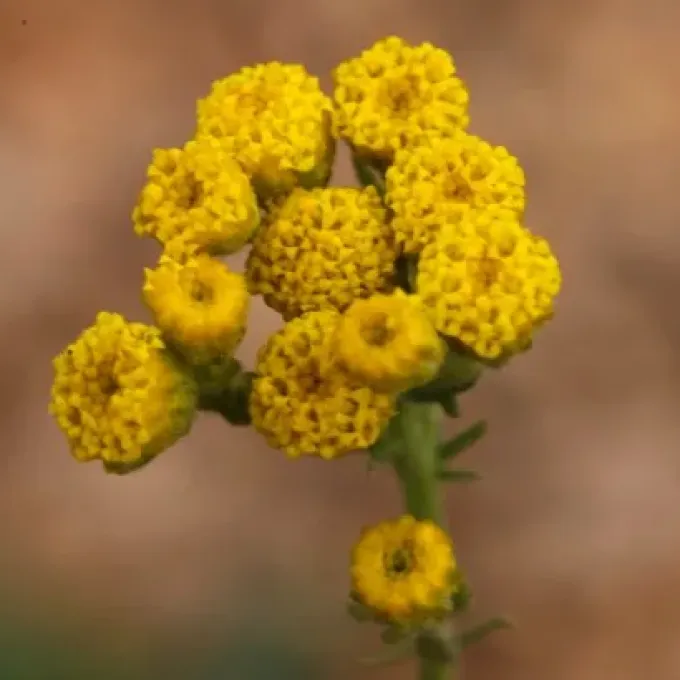
Description
Sowing dates
The optimal sowing time for Vogtia annua occurs when soil temperatures at a depth of 5–10 cm reach 10–12°C. In temperate regions, this usually aligns with mid-to-late spring, ensuring stable growth conditions.
For successful germination, seed-to-soil contact is critical. After sowing, fields should be rolled to eliminate air pockets, which helps retain moisture and promotes uniform seedling emergence across the field.
Seed depth should typically range from 2 to 4 centimeters, depending on the soil texture. Lighter, sandy soils may require slightly deeper planting, while heavier soils require shallower placement to avoid inhibiting germination.
The standard seeding rate is 15–20 kg per hectare, ensuring an optimal plant density for resource competition. Row spacing of 45 cm is generally recommended to facilitate mechanical weed control and airflow within the canopy.
Avoid planting in waterlogged or overly cold soils, as these conditions significantly increase the risk of seed decay and fungal pathogen development, which can result in poor stand establishment.
Growing requirements
Vogtia annua thrives in areas with full sun exposure and moderate protection from strong winds. The plant is adaptable to various conditions but shows its highest yield potential in temperate climates with well-distributed rainfall.
The preferred soil type consists of fertile loams with a neutral pH. Adequate drainage is essential, as the roots are sensitive to prolonged periods of saturation, which can lead to hypoxia and root rot.
Soil nutrient management should focus on a balanced application of phosphorus and potassium during primary tillage. Nitrogen fertilization may be applied to support biomass accumulation, provided that it is balanced to avoid excessive vegetative growth at the expense of root development.
Water requirements are highest during the stem elongation and flowering phases. In arid climates or during dry spells, supplemental irrigation is often necessary to maximize the production of green biomass.
Proper aeration of the topsoil is beneficial for nutrient uptake. Regular inter-row cultivation helps in breaking the soil crust, which in turn improves water infiltration and oxygen access to the root zone.
Yield
The potential yield of Vogtia annua is directly influenced by the agronomic inputs and the quality of the soil profile. Under optimal management, the crop produces a consistent biomass yield suitable for various agricultural applications.
Implementing intensive farming practices, such as micronutrient supplementation, can significantly boost the dry matter output. Consistent monitoring of plant growth stages allows for timely adjustments in crop management practices.
Seed yield varies depending on the environmental conditions during the reproductive phase. Consistent soil moisture and balanced nutrient availability prior to flowering are key factors in determining the total harvest weight.
Field studies indicate that the crop responds positively to high-intensity management, particularly regarding water management during the summer months. Maximizing the biomass requires a strategic approach to plant density and nutrient delivery.
Success in production is often linked to the crop's position in the rotation. Growing Vogtia annua following cereal crops generally improves yield consistency due to better disease management and soil health maintenance.
Main diseases and pests
The primary threats to Vogtia annua include root rot pathogens, which are most prevalent in poorly drained soils. Maintaining proper soil health and drainage is the most effective way to prevent these infections.
Insect pests that target foliage can reduce photosynthetic activity if left unmanaged. Integrated pest management (IPM) strategies, including regular field monitoring and economic threshold calculations, should guide the use of insecticides.
Weed competition poses a significant risk to young stands during the first few weeks of growth. Early mechanical cultivation is necessary to prevent weeds from suppressing the growth of the young seedlings.
Seed treatments with fungicides are highly recommended to prevent soil-borne pathogens from impacting the stand density. Proactive measures are always more cost-effective than attempting to manage an outbreak after it begins.
Field hygiene, including the removal of crop residues and avoiding excess irrigation, reduces the potential for disease spread. Regularly scouting for signs of stress or pathogens allows for early intervention and protection of the investment.
Harvesting
Harvesting for green biomass is most effective when conducted at the onset of the flowering phase. This timing ensures the highest concentration of nutrients in the foliage, providing a superior quality feed.
When harvesting for seeds, the process should commence once the lower flower clusters reach maturity. Careful adjustment of machinery is required to prevent shattering and harvest losses, which are common if the crop is over-matured.
The harvested material should be wilted in the field to reduce moisture content before storage. Proper drying is essential to prevent mold growth and ensure the long-term stability of the harvested products.
Post-harvest conditioning includes cleaning and drying seeds to the appropriate moisture content. Storing seeds in a cool, dry, and ventilated facility maintains their viability and prevents degradation over time.
Efficient coordination of logistics during the harvest window is essential, especially in regions with unpredictable late-season weather patterns. Completing the harvest promptly minimizes exposure to adverse field conditions.