
Vogtia microphylla
Vogtia microphylla
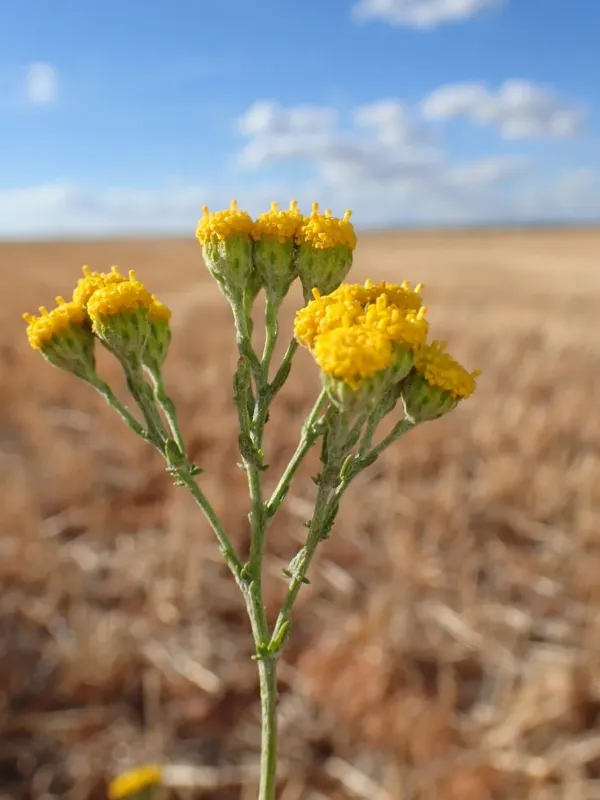
Description
Sowing dates
Vogtia microphylla is a member of the Asteraceae family. This species is gaining attention for its potential use in phytoremediation and soil stabilization, particularly in arid regions where traditional crop cultivation faces significant environmental limitations.
The sowing schedule depends heavily on regional climate patterns. Early spring is generally considered the optimal time for sowing as it allows the seeds to capitalize on soil moisture and rising temperatures, promoting strong initial establishment of the root system.
For successful cultivation, seeds should be sown at a shallow depth, usually not exceeding 1-2 centimeters. Proper seed-to-soil contact is essential for uniform germination, which can be achieved through light harrowing or rolling of the seedbed after planting.
The field preparation phase should prioritize weed management and soil leveling. Because the seeds are small, any competition from opportunistic weed species in the early stages of growth can significantly hinder the development of the stand.
Optimal plant density is determined by the intended purpose of the crop. Lower densities are often preferred if the objective is seed production, whereas higher densities are used for establishing ground cover or soil protection programs in arid environments.
Growing requirements
This species is highly photophilous and requires full sun exposure to thrive. Shading from neighboring structures or larger vegetation can lead to stunted growth and reduced vigor, making site selection a critical factor in agricultural success.
Vogtia microphylla favors light, sandy, or loamy soil textures. Its root system is specifically adapted to these environments, allowing it to penetrate deep into the substrate in search of moisture while maintaining excellent gas exchange in the root zone.
Water requirements are generally low, as the plant exhibits strong xerophytic traits. It can withstand prolonged periods of drought, which makes it a sustainable choice for farming in marginal lands with limited access to irrigation infrastructure.
Soil pH should ideally be neutral to slightly alkaline for the best nutrient uptake. While the species is relatively tolerant of soil salinity, extremely acidic conditions may necessitate pre-sowing soil amendments to optimize productivity.
Temperature tolerance is a hallmark of this plant, enabling it to adapt to significant daily fluctuations. It effectively utilizes the cooler but moist early spring period to build enough biomass to survive the subsequent heat of summer.
Main diseases and pests
Fungal pathogens represent the primary threat, particularly when soil moisture levels are consistently high. The development of root rot and damping-off diseases can be minimized by avoiding poorly drained areas and ensuring adequate spacing between plants.
Insect pests can cause localized damage to foliage and developing reproductive tissues. Integrated pest management strategies, including monitoring and the use of targeted biological or chemical controls, are recommended to maintain crop health.
Weed infestation is a major challenge during the establishment phase. Effective management of competitors through mechanical cultivation or early-season intervention is vital to ensure that the crop is not choked out by faster-growing species.
Poor air circulation within dense stands can create a microclimate conducive to disease. Therefore, maintaining appropriate plant spacing is essential to reduce the humidity levels that favor fungal growth and protect the overall integrity of the stand.
The use of high-quality, treated seed is an important preventative measure against soil-borne pathogens. Maintaining a clean cultivation environment and adhering to recommended sowing densities are the best defenses against common agricultural threats.