
Bambara groundnut
Voandzeia
Bambara groundnut is a warm-season crop that thrives in temperatures between 25 and 30 degrees Celsius. Planting should be timed to coincide with the onset of the rainy season, ensuring the soil remains moist enough for germination without being waterlogged.
What the section contains

Bambara groundnut
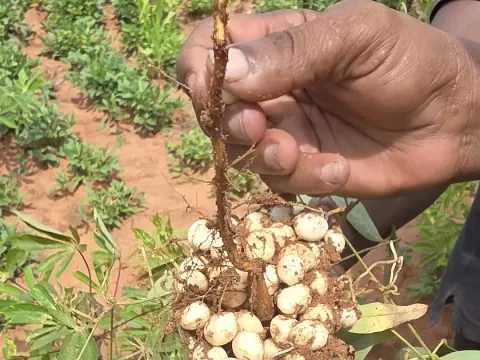
Seeds are sown directly into the field at a depth of 3 to 5 centimeters. Proper spacing, generally 30-40 cm between plants, is essential to allow for the horizontal spreading of the plant and to provide enough space for the pods to bury themselves into the soil, which is a unique physiological trait of this species.
The crop is highly adapted to poor soils and can perform well where other legumes fail. However, it prefers light, well-drained, sandy or sandy-loam soils. Heavy clay soils are generally unsuitable as they physically impede the pod-burying process.
Being a leguminous plant, it forms a symbiotic relationship with nitrogen-fixing bacteria. This allows the crop to enrich the soil with nitrogen, making it a sustainable choice for crop rotation systems in semi-arid and tropical regions across Africa and beyond.
Low relative humidity is generally preferred, although the plant displays significant tolerance to both high heat and periodic drought. Maintaining a weed-free field during the first few weeks is crucial to avoid competition, as the plant grows slowly during the initial establishment phase.
Yields can vary significantly depending on the cultivar and the environmental conditions, typically ranging from 500 to 1,500 kilograms per hectare. Proper nutrient management, even though the plant is resilient, can lead to substantial increases in seed production.
The harvest period typically begins 90 to 150 days after sowing. The nutritional profile of the seeds is balanced, containing significant amounts of protein, carbohydrates, and minerals, which sustains its importance as a staple food crop for rural populations.
The most common disease threats include Cercospora leaf spot and various fungal root rots caused by excess moisture. Maintaining good field hygiene and utilizing certified disease-free seeds are the primary strategies for preventing these issues.
Insect pests such as cowpea bruchids represent a serious threat, especially during storage. Field control focuses on biological diversity and proper soil management to reduce pest pressure during the growing season.
Harvesting is usually done by lifting the plants from the soil once the leaves start to senescence. This process is labor-intensive and requires careful handling to ensure that all pods, which are often hidden beneath the surface, are collected efficiently.
Post-harvest processing involves drying the pods to a moisture content of approximately 10-12 percent. Proper drying is vital to ensure long-term storage stability and to prevent the development of mycotoxins or insect infestations in the stored seeds.