
Bambara groundnut
Voandzeia subterranea
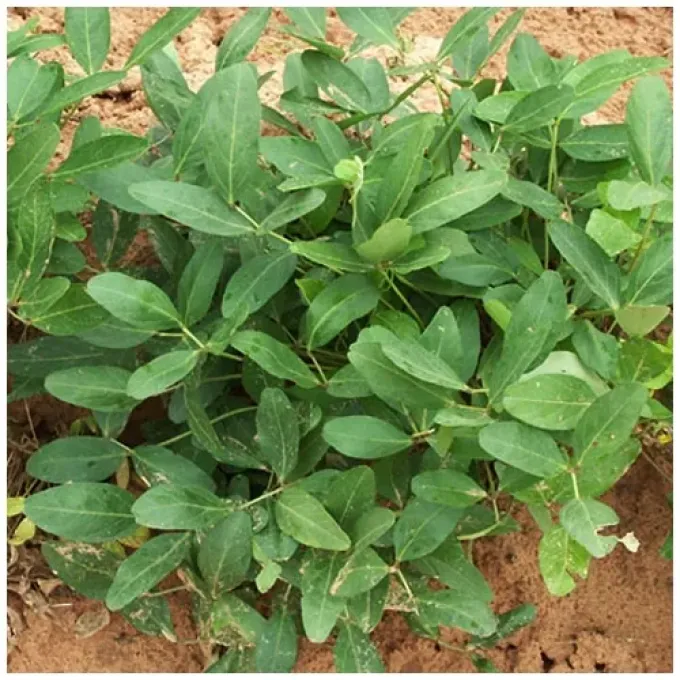
Description
Sowing dates
Bambara groundnut is a warm-season legume that requires high temperatures for successful germination. Sowing should only occur once soil temperatures consistently exceed 20-25 degrees Celsius to ensure vigorous early development.
In regions with a distinct rainy season, planting is ideally timed with the first significant rains. This provides the necessary moisture for the initial establishment of the root system without the risks of waterlogging.
Seeds are sown at a depth of 3 to 5 centimeters. Proper spacing between rows is critical, as the plant needs adequate space to facilitate geocarpy, where the flowering stalks must penetrate the soil to develop the pods.
The total growing season ranges from 90 to 150 days depending on the cultivar. Early sowing allows the plant to take full advantage of the peak sunshine hours, which are essential for pod filling and final yield maturation.
Before sowing, the soil must be tilled thoroughly. A loose, fine tilth is required because the plant's pods develop underground; compact or crusted soil will prevent the flower peduncles from burying themselves.
Growing requirements
Bambara groundnut belongs to the Fabaceae family and is highly valued for its exceptional drought tolerance. It is a vital food security crop in semi-arid regions where other legumes might fail.
The crop performs best in light, sandy, or loamy soils. These soil types allow for easy root penetration and ensure that the underground pods can develop without mechanical obstruction during their growth cycle.
Sunlight is the most critical environmental factor; Bambara groundnut is highly photophilous. It cannot tolerate shading, which causes weak vegetative growth and leads to poor reproductive performance and low yields.
The optimal temperature range for growth is between 25 and 30 degrees Celsius. While it handles high heat well, it is strictly sensitive to frost and cold snaps, which can permanently stunt growth or destroy the entire crop.
It is a nitrogen-fixing plant that utilizes symbiotic root nodules. While this allows it to grow in soils with low fertility, phosphorus and potassium fertilization may be necessary in depleted soils to maximize production.
Yield
Yields of Bambara groundnut are heavily influenced by the quality of the soil and effective weed control. Under favorable conditions, farmers can expect a yield between 600 and 1500 kilograms per hectare.
The plant's yield is defined by its geocarpic behavior. After pollination, the plant pushes its flower stalks into the soil; if the soil is too dry or too hard, the fruits will fail to develop, significantly reducing the final harvest.
The pods are a significant source of protein and carbohydrates, making them a staple in local diets. Because they require low inputs, they provide a reliable and economically viable option for smallholder farmers.
To improve yields, growers often employ hilling or earthing-up practices similar to potatoes. This helps ensure that the maximum number of floral stalks can reach and penetrate the soil to produce pods.
Although the plant is highly hardy, maintaining a balanced moisture level during the critical flowering stage is essential. Over-irrigation should be avoided to prevent fungal infections that can spoil the underground pods.
Main diseases and pests
Fungal diseases, particularly root rots and Fusarium wilt, are the primary threats to the crop. These are most common during periods of excessive humidity or poor soil drainage, which promote pathogen activity.
Insect pests such as wireworms and other soil-dwelling larvae represent a significant risk, as they directly feed on the developing pods buried in the soil, which compromises the grain quality.
Foliar pests, including aphids and spider mites, can also cause damage, especially during hot and dry spells. Regular scouting of the fields is necessary to catch infestations early before they lead to severe yield losses.
Crop rotation is the most effective management strategy for disease prevention. Growing Bambara groundnut in the same field repeatedly increases the accumulation of soil-borne pathogens, so a gap of 3-4 years is recommended.
Seed treatment before sowing is a highly recommended practice to protect emerging seedlings from damping-off and other initial soil-borne infections, ensuring a more uniform and healthy plant population.
Harvesting
Harvesting begins when the foliage starts to yellow and wither, indicating that the pods under the soil have reached physiological maturity. This is the stage when the nutritional value is at its peak.
The pods are harvested by lifting the entire plant out of the soil. This is usually done with forks or mechanical diggers designed to loosen the earth without damaging the underground crop attached to the base.
Post-harvest, the plants must be dried for several days in the sun or in a well-ventilated area. Drying the pods until their moisture content reaches 10-12% is essential to prevent mold growth during storage.
Once dried, the pods are stripped from the roots and cleaned of any residual soil. The beans are known for their long shelf life and can be stored for extended periods in dry, cool conditions without losing their quality.
Proper storage is vital to avoid post-harvest losses due to pests or moisture. Keeping the harvest in airtight or well-ventilated containers helps maintain the high protein content and overall integrity of the food crop.