
Vittaria isoetifolia
Vittaria isoetifolia
Description
Growing requirements
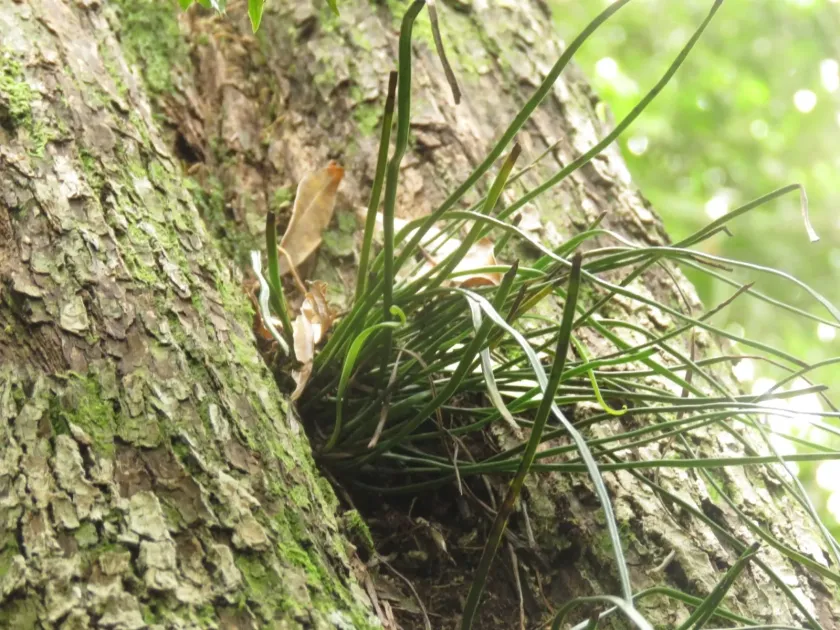
Vittaria isoetifolia is an epiphytic fern species belonging to the Pteridaceae family. Originating from the tropical regions of Africa and Asia, this plant naturally thrives in humid environments, typically anchoring itself to tree bark and branches within dense forest canopies.
The botanical structure of the plant is distinctive, featuring long, narrow, grass-like fronds that can reach significant lengths. These fronds provide a unique textural element, which makes the plant highly desirable for vertical gardening and terrarium arrangements where space is managed efficiently.
To cultivate Vittaria isoetifolia successfully, one must replicate its natural tropical habitat. This involves maintaining a consistent relative humidity of at least 70% and a stable temperature range of 18 to 24 degrees Celsius throughout the growing season.
The substrate requirement is very specific; a loose, breathable mixture consisting of orchid bark, sphagnum moss, and charcoal is ideal. This composition ensures that the delicate root system receives sufficient oxygen while retaining enough moisture for healthy growth.
Lighting should always be bright but indirect. Direct sunlight can easily scorch the thin fronds, leading to irreversible damage. A location with soft, filtered light or moderate shade is optimal for sustaining the plant’s deep green color and vigorous development.
Main diseases and pests
The primary threat to this fern is root rot caused by poor drainage or overwatering. Unlike terrestrial plants, the epiphytic roots of Vittaria isoetifolia can easily drown if the potting medium remains waterlogged for an extended period.
Pests such as scale insects can occasionally infest the fronds. If detected early, they can be removed manually or treated with horticultural oils. Vigilance is necessary, especially when introducing new plants into an existing collection to prevent the spread of infestations.
Spider mites are a common concern in environments with low humidity, particularly during the winter months. They weaken the plant by feeding on its cell sap, which often leads to the yellowing and eventual shedding of the fronds if left untreated.
Fungal leaf spot diseases may occur in stagnant, humid air where ventilation is inadequate. Improving airflow and ensuring the plant has sufficient room to breathe can significantly reduce the risk of such infections.
Maintaining a regular care schedule that includes cleaning the leaves of dust and monitoring the moisture content of the substrate will help keep the plant resilient against common pathogens and physiological stress.