
Vismia sessilifolia
Vismia sessilifolia
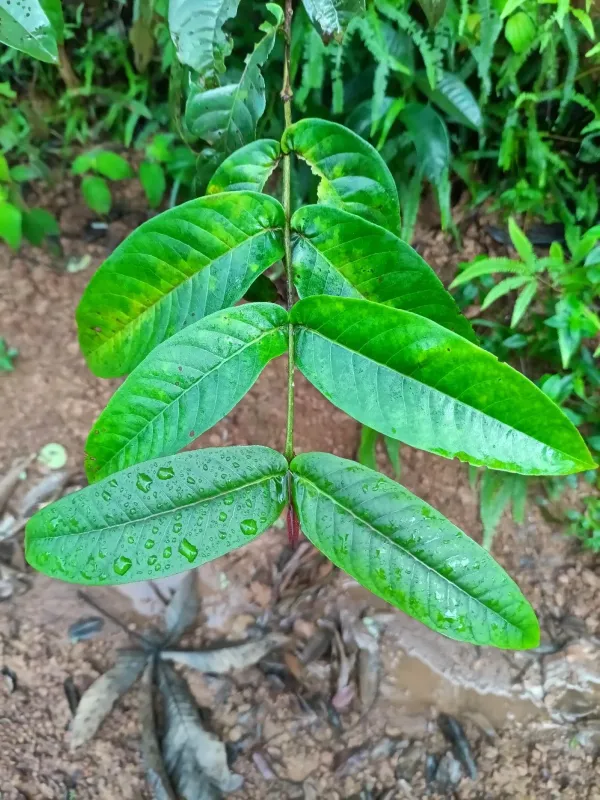
Description
Growing requirements
Vismia sessilifolia is a member of the Hypericaceae family, recognized primarily for its presence in the tropical regions of South America. As a woody perennial, it typically thrives in the understory or gaps of moist tropical forests.
Cultivation requires nutrient-dense, well-drained soils that mimic its natural forest habitat. The plant is highly sensitive to waterlogging, necessitating excellent drainage systems to maintain root health and prevent oxygen deprivation in the rhizosphere.
Environmental conditions for Vismia sessilifolia must be tropical, characterized by consistent warmth and high relative humidity. It does not tolerate frost or low temperatures, making it unsuitable for open-field cultivation in temperate or subtropical zones without climate control.
The botanical structure is defined by its sessile leaves, which are attached directly to the stem without petioles. This trait is essential for the plant's adaptation to its environment. Its reproductive structures include clusters of yellow-to-orange flowers and small berry-like fruits.
In terms of utilization, Vismia sessilifolia is highly valued for its phytochemical composition, including various anthraquinones. These compounds are studied for their potential medicinal properties, particularly in treating skin conditions and fighting microbial infections in traditional and modern medicine.
Main diseases and pests
Common pathological threats include fungal infections such as leaf spot and mildew, which proliferate in environments with high humidity and poor airflow. Managing plant spacing and improving air circulation are critical cultural practices for disease mitigation.
Pest pressure often comes from tropical insects like scale insects and larvae that target tender foliage. Integrated pest management strategies are advised, focusing on preventative measures and biological control agents to maintain plant health without heavy chemical usage.