
Vismia cayennensis
Vismia cayennensis
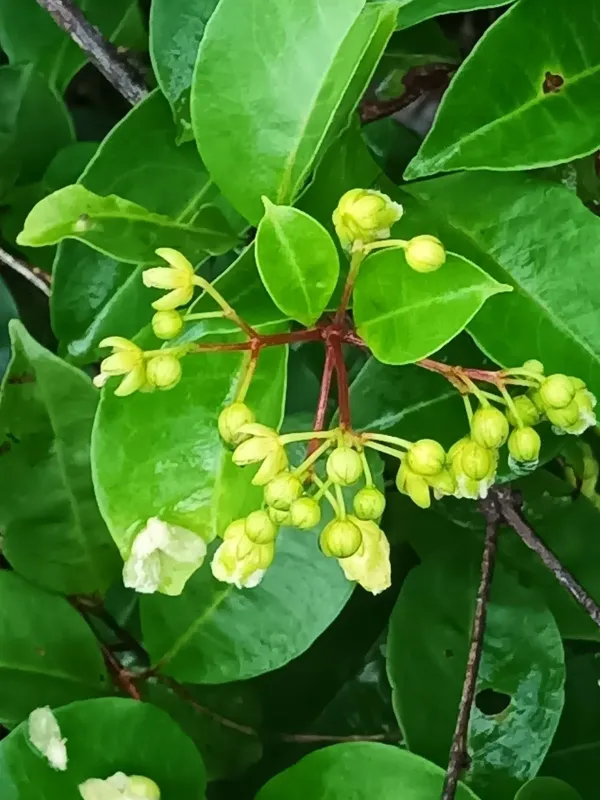
Description
Growing requirements
Vismia cayennensis is a woody plant species belonging to the family Hypericaceae. Originating from the tropical regions of South and Central America, this plant thrives in warm, humid climates characterized by abundant annual rainfall and minimal seasonal temperature fluctuations.
The plant demonstrates a strong preference for light-rich environments, commonly establishing itself in forest clearings, edges of tropical rainforests, and disturbed secondary vegetation. It is a heliophilous species, meaning it requires significant exposure to direct sunlight for optimal growth and fruit development.
Regarding soil requirements, Vismia cayennensis prefers well-drained, acidic to neutral soils rich in organic matter. It is sensitive to waterlogging, so adequate soil porosity and drainage are essential to prevent root rot in cultivated settings.
Cultivation practices involve selecting suitable tropical sites with stable environmental conditions. Propagation is typically achieved through seeds, which require consistent moisture and warm temperatures to germinate successfully within a few weeks after sowing.
Economically, the species is valued for its pharmacological potential. Research into the chemical constituents of the plant, such as xanthones and anthraquinones, has highlighted its antimicrobial and anti-inflammatory properties, making it of interest to the medical industry.
Main diseases and pests
The primary phytopathological threats to Vismia cayennensis include root rot diseases caused by soil-borne fungi, typically triggered by excessive moisture and poor drainage. These infections quickly undermine the plant's health and structural integrity.
Pest attacks, specifically from aphids, scale insects, and mites, pose a significant risk to young foliage. These pests feed on the plant sap, leading to leaf distortion, chlorosis, and a general decline in the overall vigor of the individual tree.
Competition from aggressive weeds and climbing vines is a major management challenge during the establishment phase. Maintaining clear, weed-free zones around the base of the plant is vital to ensure that it receives adequate soil nutrients and sunlight.
Environmental stress, particularly prolonged drought or strong wind exposure, can damage young branches and reduce the plant's ability to resist secondary infections. Windbreaks are often recommended when growing in exposed or open areas.
Management of these threats necessitates an integrated pest management strategy, emphasizing cultural controls such as proper spacing for air circulation and the use of natural biological agents to control pest populations sustainably.