
Vismia guianensis
Vismia guianensis
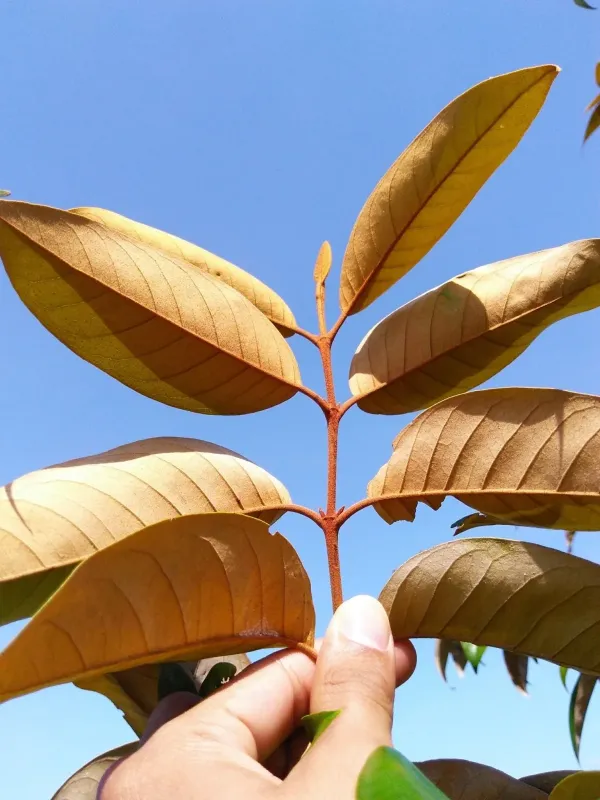
Description
Growing requirements
Vismia guianensis, belonging to the Hypericaceae family, is a tropical shrub or small tree naturally occurring in the Amazon basin and northern South America.
The plant thrives in well-drained, acidic to neutral soil types that are rich in organic matter, reflecting its native environment in tropical forests.
Cultivation requires a tropical climate with consistent temperatures, typically between 20°C and 30°C, and high annual rainfall to support lush leaf production.
While Vismia guianensis prefers direct sunlight to achieve its maximum growth potential, it exhibits a degree of shade tolerance during its juvenile growth stages.
Soil moisture management is critical; while the plant requires water, it cannot tolerate waterlogging, which often leads to root rot in poorly prepared planting sites.
Yield
The economic potential of Vismia guianensis is primarily linked to the pharmaceutical industry, as its parts contain valuable anthraquinones and xanthones.
Its leaves and bark are widely recognized for their potent antimicrobial and anti-inflammatory properties, serving as a staple in traditional herbal medicine.
Beyond medical use, the plant produces fruit and resin that have been explored for potential applications in natural pigment production and organic pest control.
Sustainable harvesting techniques for bark and leaves are essential to maintain the long-term productivity of trees grown in agricultural settings.
The yield of active compounds is heavily influenced by the age of the plant, soil fertility levels, and the precise timing of harvesting foliage during the season.
Main diseases and pests
Vismia guianensis is generally robust, but it can be susceptible to fungal pathogens like powdery mildew, especially in high-density greenhouse conditions.
Common agricultural pests such as aphids and spider mites may occasionally infest young leaves, necessitating integrated pest management strategies.
The primary environmental threat remains root rot caused by stagnant water or soil pathogens, which underscores the need for excellent drainage systems.
In large-scale plantings, weed competition for light and soil nutrients during the early stages of establishment can significantly reduce overall vigor.
Maintaining a balanced ecosystem within the planting area, including the presence of natural predators, helps keep pest populations under control without heavy pesticide use.