
Virola surinamensis
Virola surinamensis (Rol. ex Rottb.) Warb.
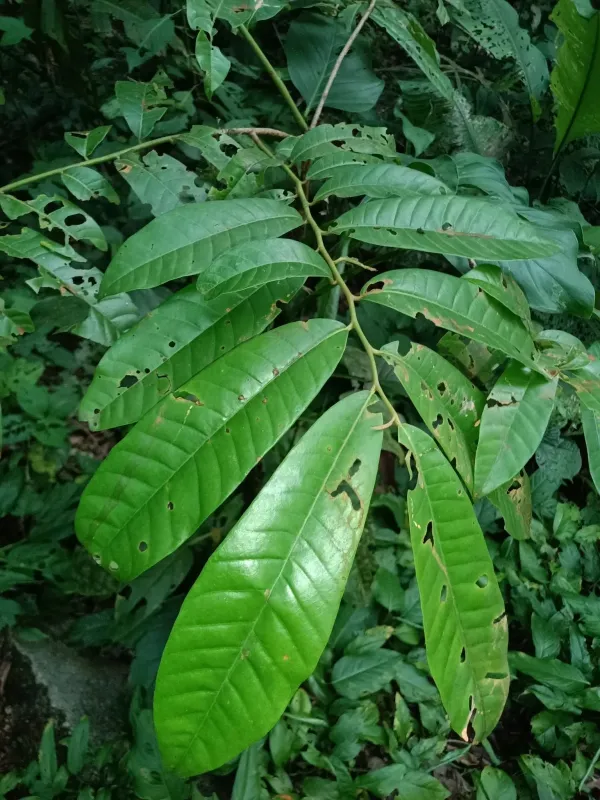
Description
Growing requirements
Virola surinamensis is a prominent species within the Myristicaceae family, native to the swampy lowlands and tropical rainforests of Central and South America. It is a large evergreen tree recognized for its high-quality timber and ecological role.
The tree thrives in equatorial climates characterized by high rainfall and humidity. It is strictly adapted to areas with consistent moisture, making it an essential component of riparian and wetland ecosystems.
Soil requirements involve deep, fertile, and moist substrates. The species is highly tolerant of waterlogged soils, which is a rare and distinct trait compared to most agricultural tree crops.
Propagation is conducted through seeds, which exhibit recalcitrant behavior, meaning they must be sown shortly after collection to maintain high germination rates in nursery conditions.
The primary economic value of Virola surinamensis lies in its lightweight and workable timber. It is widely utilized in the manufacturing of plywood, cabinetry, and interior construction, contributing significantly to local wood industries.
Main diseases and pests
The species is susceptible to various fungal pathogens that flourish in high-humidity environments, potentially causing root rot or foliar diseases that affect tree vigor.
Wood-boring insects present a major threat to standing trees, as they can significantly degrade the quality of the timber, making it unsuitable for high-value manufacturing purposes.
Defoliating insects can cause significant damage to nursery seedlings and young saplings, impeding the early growth stages and reducing plantation survival rates.
Fluctuations in the water table due to climate change or human intervention can stress the trees, rendering them more susceptible to opportunistic diseases and pests.
Lack of proper silvicultural management, including thinning and weed control in plantations, often leads to increased competition and decreased timber yields.