
Virola koschnyi
Virola koschnyi Warb.
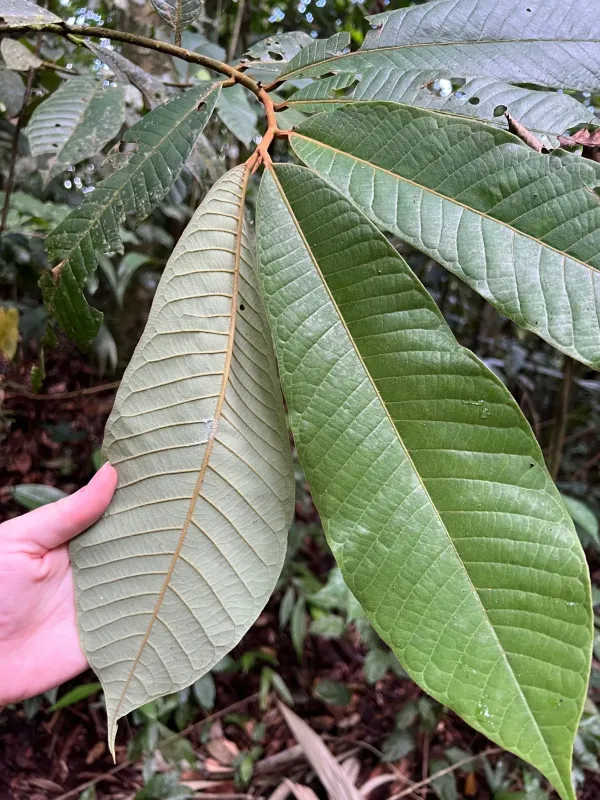
Description
Growing requirements
Virola koschnyi is a significant evergreen tree species belonging to the Myristicaceae family. Native to the tropical regions of Central America, this tree is known for its tall, straight trunk and dense foliage, which are typical characteristics of forest trees in this genus.
The cultivation of this species requires a hot and humid tropical climate where seasonal temperature variations are minimal. The tree thrives in regions with high annual rainfall, which is essential for sustaining its rapid vegetative growth cycle.
Soil requirements for optimal performance include deep, nutrient-rich substrates with excellent drainage. Although the tree prefers high moisture levels, it does not tolerate waterlogging, which can lead to root rot and other physiological stressors in young plantations.
Agrotechnical management involves careful site selection and the implementation of forestry practices that mimic natural forest succession. Protecting young saplings from excessive solar radiation is a standard practice to ensure uniform development of the stand.
The timber produced by Virola koschnyi is highly regarded in the wood processing industry. It is utilized primarily for furniture making, joinery, and plywood production due to its desirable physical properties and ease of workability.
Main diseases and pests
Fungal diseases remain the primary threat to this species in its natural and cultivated habitats, primarily driven by the high ambient humidity of the tropics. These pathogens can compromise the structural integrity of the tree's wood.
Wood-boring insects are the most destructive pests affecting the timber quality. These insects create tunnels within the trunk, significantly reducing the commercial value of the wood and potentially leading to the premature decline of infected trees.
Forest management strategies must incorporate rigorous phytosanitary measures, including the regular removal of dead or diseased biomass to prevent the spread of infections throughout the cultivation area.
Sustainable logging practices are essential to prevent the degradation of soil quality and the loss of biodiversity within the forest. Over-exploitation can lead to reduced regeneration rates, threatening the long-term viability of the population.
Modern integrated pest management (IPM) focuses on biological controls and periodic monitoring to maintain the health of the stands. This approach minimizes the need for chemical intervention, preserving the delicate ecological balance of the site.