
Rafinesque's Viburnum
Viburnum rafinesquianum
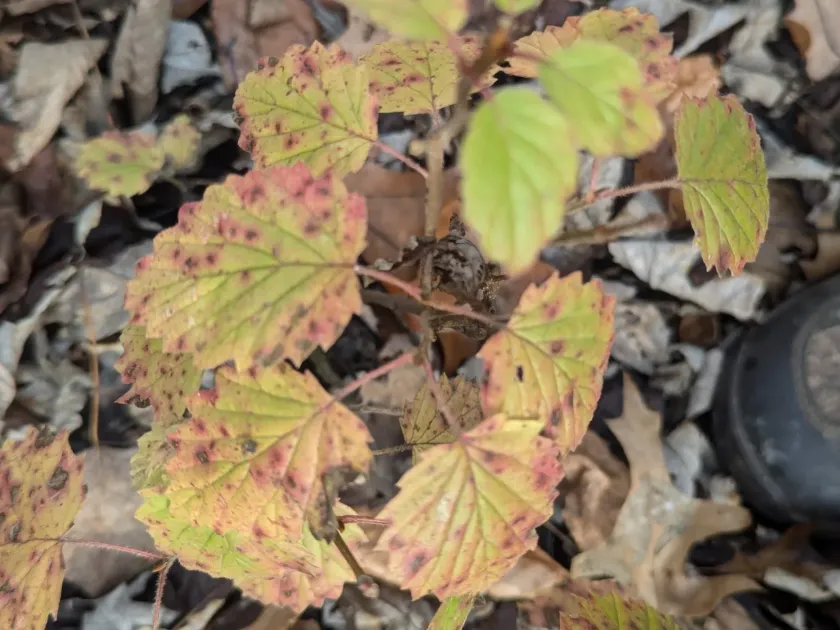
Description
Growing requirements
Rafinesque's Viburnum (Viburnum rafinesquianum) is a deciduous shrub belonging to the Adoxaceae family, native to the woodlands of North America.
This species is highly regarded for its resilience, capable of thriving in various environmental conditions ranging from dry rocky outcrops to fertile forest edges. It prefers well-drained soils and demonstrates significant drought tolerance once established.
Regarding climate requirements, the shrub is well-adapted to temperate zones, exhibiting cold hardiness that allows for versatile planting across various regions. It functions effectively both in full sun and under partial canopy shade conditions.
Botanically, it is recognized by its oppositely arranged leaves with characteristic pubescence on the underside, and its small, white flowers clustered in cymes. The shrub's compact growth habit makes it an ideal choice for naturalistic planting schemes.
In terms of хозяйственное usage, it is primarily utilized as a decorative ornamental, favored for erosion control on slopes and for supporting local wildlife populations through its fruit production.
Main diseases and pests
The shrub is occasionally susceptible to fungal diseases such as powdery mildew, particularly in environments with poor air circulation or excessive humidity levels.
Pests, including various types of aphids and leaf beetles, may pose a risk to the foliage during the active growing season, potentially affecting the plant's aesthetic value.
Stem borers can occasionally cause damage to the woody structure, necessitating regular inspections of the branches for signs of infestation or dieback.
Cultural control, such as proper spacing and periodic thinning of the shrub, is essential to minimize the microclimate risks that encourage pathogens.
Integrated pest management strategies are recommended, as maintaining the general vigor of the plant through correct hydration and nutrition serves as the first line of defense.