
Veltheimia hybrids
Veltheimia hybrids
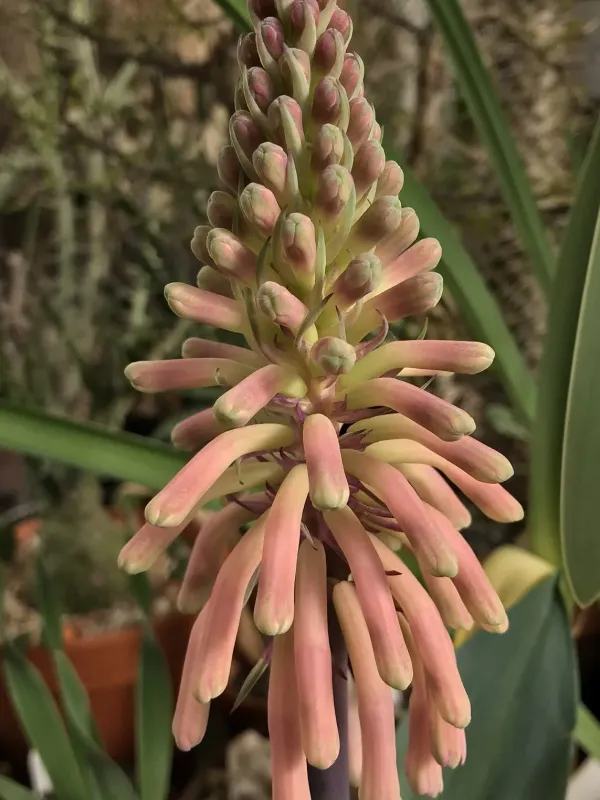
Description
Sowing dates
Propagation of Veltheimia hybrids is primarily achieved through bulbs, as this method ensures the preservation of varietal characteristics. Planting should be timed to coincide with the beginning of the growth season after the dormancy period.
The bulb should be placed in a loose, nutrient-rich substrate, leaving at least one-third of the bulb exposed above the soil line. Proper planting depth is crucial for healthy root development and avoiding fungal growth.
Seed propagation is an alternative, though slower method. Seeds are sown in shallow trays containing a well-draining peat-based medium at a constant temperature of approximately 20 degrees Celsius.
Seedlings require delicate handling during transplantation. Once they develop the first set of true leaves, they should be carefully moved into individual pots to provide adequate space for the developing bulb structure.
Commercial production focuses on maintaining consistent environmental conditions to ensure healthy bulb growth over several seasons before the plants reach their mature, flowering stage.
Growing requirements
Veltheimia hybrids, belonging to the Asparagaceae family, are native to South Africa. These deciduous bulbous plants are prized for their elegant, cylindrical flower spikes and glossy, undulating foliage.
The plant thrives in bright, indirect light. Direct sunlight can cause significant damage to the leaves, so positioning the plant near east or west-facing windows is usually recommended for optimal growth.
Temperature requirements involve a moderate range of 15 to 22 degrees Celsius during the active growing cycle. A distinct period of cooler temperatures during winter is essential to stimulate the formation of inflorescences.
Well-draining, fertile soil is a non-negotiable requirement for this species. Using a high-quality potting mix with added perlite ensures proper aeration and prevents the buildup of excess moisture around the bulb.
Watering should be balanced: consistent moisture is needed while the plant is in leaf, but watering must be drastically reduced or halted entirely during the plant's natural dormancy phase in late summer and autumn.
Main diseases and pests
Fungal rots are the most significant threat to Veltheimia hybrids, often triggered by overwatering or poor drainage. These pathogens can rapidly destroy the bulb if the soil remains waterlogged for extended periods.
Pests such as mealybugs, scale insects, and spider mites may infest the foliage, particularly in indoor environments with low humidity. Regular inspection and mechanical cleaning of leaves are recommended to manage these threats.
Systemic insecticides should be applied carefully if pest populations become unmanageable. It is vital to follow label instructions to ensure the chemicals are safe for bulbous ornamental species.
Preventative measures include using sterile soil mixtures and maintaining a clean environment around the plant. Avoiding water contact on the bulb itself while watering helps mitigate the risk of bacterial and fungal infections.
Providing adequate air circulation is essential for the plant's health. Poor ventilation encourages the development of powdery mildew and other foliar diseases that can weaken the plant and reduce its flowering potential.