
Veltheimia bracteata
Veltheimia bracteata
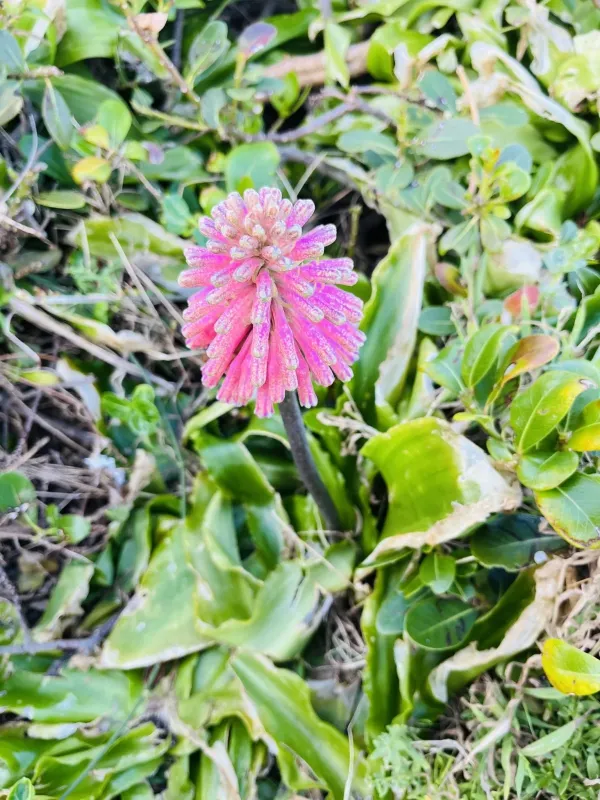
Description
Sowing dates
Propagation of Veltheimia bracteata is predominantly achieved through the separation of offsets, which are small bulbs produced by the parent bulb over time.
Offsets should be carefully detached during the plant's dormant phase and planted individually into a well-draining soil medium to encourage root development.
Seed propagation is a viable alternative, though it requires patience as the seedlings typically take several years to reach maturity and flower.
When planting, it is essential to ensure that the bulb is not buried too deep; the top one-third of the bulb should remain exposed to the air.
Providing a light and porous growing medium is crucial for the successful establishment of new bulbs, reducing the likelihood of early developmental issues.
Growing requirements
Veltheimia bracteata, native to South Africa and belonging to the Asparagaceae family, is a distinct bulbous perennial appreciated for its unique inflorescences.
The plant thrives in bright, indirect light conditions; placing it in full sun may scorch the lush, wavy-edged foliage that is characteristic of the species.
A high-quality, well-draining potting mix is necessary, as the roots are highly sensitive to moisture retention and potential waterlogging in the pot.
During the active growth cycle, keep the soil consistently moist but never soggy, allowing for a distinct reduction in water during the winter dormancy.
Temperature management is vital: the plant prefers moderate temperatures around 16–20 degrees Celsius while actively growing and cooler conditions during rest.
Main diseases and pests
The primary threat to the health of this culture is root rot, which typically stems from poor drainage or irrigation practices that leave the soil saturated.
Pests such as spider mites and mealybugs can infest the plant, particularly if the ambient air in the growing environment remains dry for prolonged periods.
Fungal pathogens often appear if the plant lacks sufficient air circulation around its dense foliage, promoting the development of grey mold or leaf spots.
Mitigation strategies include regular sanitation of the growing area and the application of systemic insecticides at the first sign of pest colonization.
- Maintain good airflow to prevent moisture-related diseases.
- Monitor the bulb regularly for any signs of decay or softening.
- Use appropriate miticides if spider mite activity is observed on the foliage.