
Veltheimia capensis
Veltheimia capensis
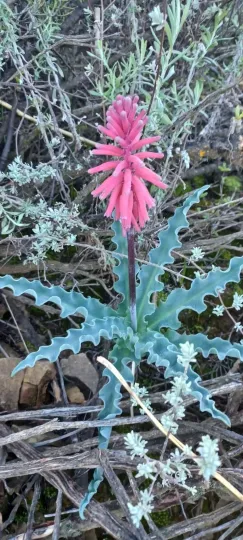
Description
Sowing dates
Propagation of Veltheimia capensis is predominantly achieved through the separation of offsets, which are small bulbs produced by the mother bulb during the active growing season.
These offsets should be carefully separated during the dormant period and planted into individual containers to allow for root establishment before the onset of the next growth cycle.
Seed propagation is possible if fresh seeds are available; they should be sown in a well-draining, sterile medium to minimize the risk of damping-off.
Seeds generally require a warm environment to germinate, and once seedlings emerge, they should be moved to a brighter location to promote sturdy leaf development.
Care must be taken to ensure that the bulb is planted with its neck above the soil surface, as burying the bulb too deeply may cause suffocation or fungal infections.
Growing requirements
Belonging to the family Asparagaceae, Veltheimia capensis is a perennial geophyte native to the Cape region of South Africa, adapted to winter rainfall and summer drought patterns.
The plant thrives in bright, indirect light; direct sunlight in the peak of the day should be filtered to prevent leaf scorching and desiccation of the foliage.
The soil substrate must be highly porous; a combination of peat, sand, and perlite is often recommended to create a structure that drains rapidly while retaining sufficient moisture.
Temperature management is critical: the plant requires a cool dormant period with temperatures around 10–12 degrees Celsius to stimulate the formation of flower spikes.
Watering must be strictly regulated according to the plant's phenological stage, with abundant moisture provided during active growth and complete withholding during the summer dormant phase.
Main diseases and pests
Excessive soil moisture is the primary threat to this species, as it rapidly promotes the development of bulb rot and stem base decay, which are often fatal to the plant.
Mealybugs are common pests that lodge in the leaf rosettes, causing stunted growth and providing entry points for viral or fungal diseases via their feeding sites.
Fungal leaf spots can occur if humidity levels are excessively high and air circulation is insufficient, leading to unsightly blemishes and reduced photosynthetic capacity.
Proper hygiene, such as removing dead foliage during the dormant season and ensuring good ventilation, is essential to minimize the risk of pathogen outbreaks.
- Use high-quality systemic insecticides for scale insects.
- Ensure porous pots to facilitate better root oxygenation.
- Avoid overhead watering to keep foliage dry and healthy.