
Vellozia squamata
Vellozia squamata
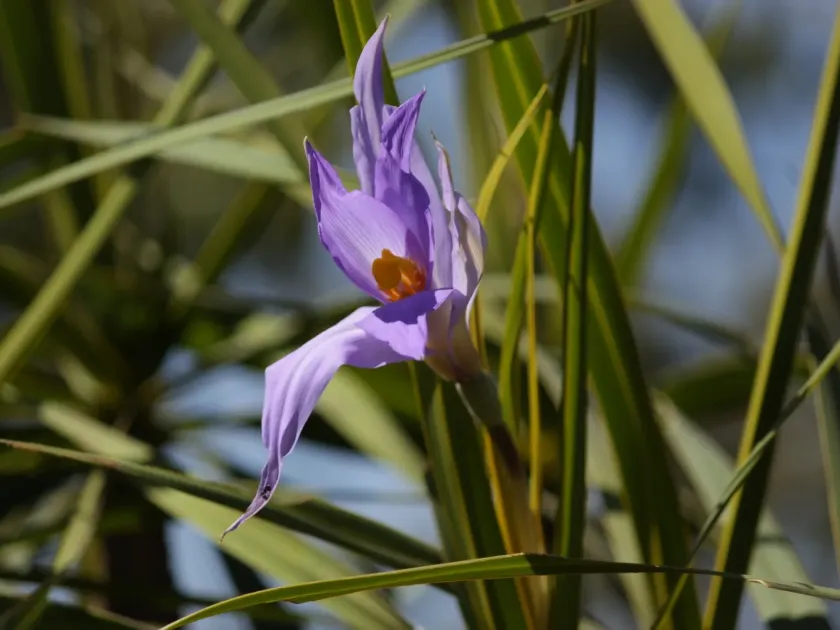
Description
Growing requirements
Vellozia squamata is a unique perennial plant belonging to the Velloziaceae family. This species is a native of the savannas and rocky outcrops located primarily in the tropical regions of South America, with a significant distribution across Brazil.
In its natural habitat, the plant has adapted to extreme environmental conditions, including prolonged drought periods and intense direct sunlight. It exhibits remarkable poikilohydric properties, allowing it to withstand severe dehydration of its tissues without suffering cell death.
Successful cultivation requires a substrate with excellent drainage, effectively mimicking the rocky or sandy soils found in its native environment. Using heavy, water-retentive potting mixes is detrimental to the root system, which is highly susceptible to root rot caused by stagnant water.
The optimal temperature range for Vellozia is moderately warm, consistent with tropical climates that avoid extreme cold. The plant demands high levels of sunlight, which is a crucial factor for maintaining its physiological health and structural integrity.
Agrotechnical management in controlled environments focuses on infrequent, deep watering and ensuring high soil permeability. During active growth, it is essential to avoid overwatering, while during the dormant phase, maintaining adequate light exposure remains a critical priority.