
Vella spinosa
Vella spinosa
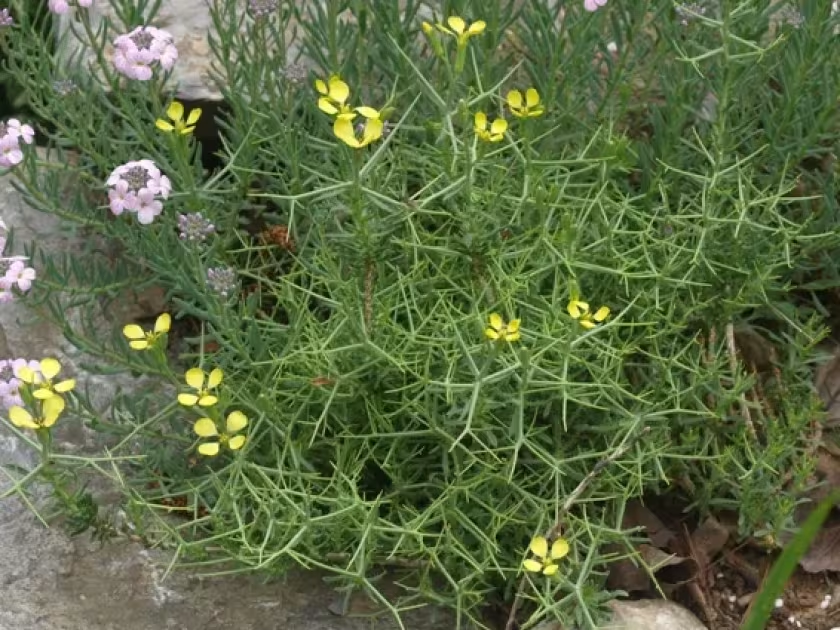
Description
Sowing dates
The sowing of Vella spinosa seeds is best carried out in early spring when the soil temperatures consistently reach optimal levels.
It is essential to use a highly permeable, gritty substrate to prevent moisture accumulation around the germinating seeds.
Seeds should be sown shallowly, as they benefit from a small amount of light to trigger the physiological germination process.
Maintaining a stable, moderate temperature is crucial for the early development of the seedlings before they are hardened off.
Transplanting should only occur once the plant has developed a strong root system, typically in late spring or early summer.
Growing requirements
Vella spinosa belongs to the Brassicaceae family and is recognized for its distinctive thorny structure and resilience.
Originating from rocky terrains in Spain, the plant is naturally adapted to limestone-rich soils with excellent drainage.
Full sun exposure is a mandatory requirement for this species, as it significantly influences its growth habit and blooming potential.
It displays remarkable drought tolerance, making it an excellent candidate for xeriscaping or specialized rock gardens.
The plant thrives in environments that mimic its natural mountain habitat, avoiding heavy clays or nutrient-rich garden soils.
Main diseases and pests
Root rot is the most common threat to Vella spinosa, usually caused by stagnant water or poor soil drainage conditions.
Powdery mildew can affect the foliage during periods of high humidity and poor air circulation within the shrub canopy.
Pests such as flea beetles, common to the Brassicaceae family, may cause cosmetic damage to the leaves during spring.
Aphids can occasionally cluster on tender shoots, though they rarely pose a terminal threat to established, healthy plants.
Integrated pest management, focusing on proper ventilation and avoiding overwatering, remains the most effective protection strategy.