
Vella pseudocytisus
Vella pseudocytisus
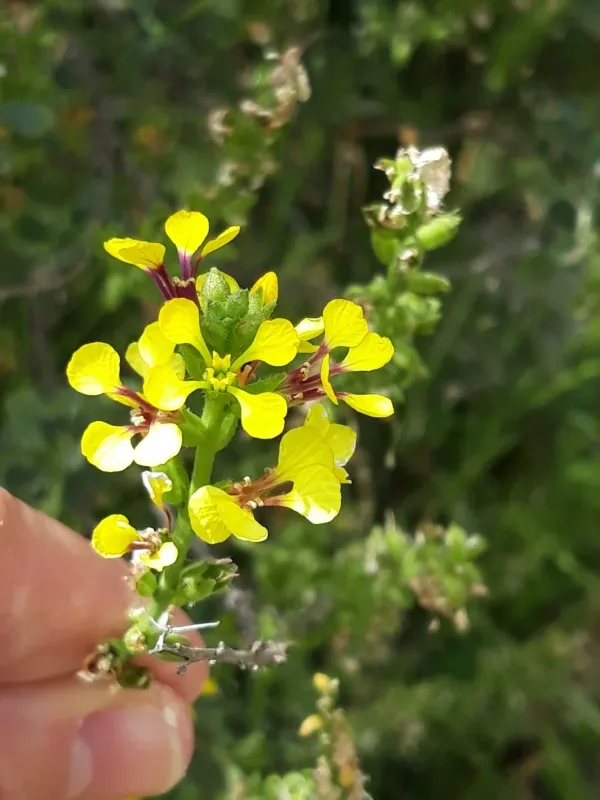
Description
Growing requirements
Vella pseudocytisus is a distinctive semi-shrub belonging to the Brassicaceae family. It is a rare species native to the Iberian Peninsula, specifically adapted to the arid and rocky limestone landscapes of eastern Spain.
As a xerophytic plant, it has evolved to thrive in harsh environments. The culture demands full sun exposure to maintain its structural integrity and encourage its characteristic yellow flowering during the spring and summer months.
Soil requirements for this species are highly specific: it necessitates extremely well-draining, calcareous soils. Any hint of waterlogging will quickly lead to root rot, making the cultivation of this species in heavy or wet soil nearly impossible.
The climate preference leans towards Mediterranean conditions characterized by warm, dry summers and mild winters. While it is a hardy plant, extreme frost combined with soil moisture can be fatal, so protection in colder regions is essential.
Cultural maintenance involves minimal fertilization, as the plant is adapted to nutrient-poor soils. Over-fertilization can result in lush but weak growth, making the shrub more susceptible to environmental stress and pests.
Main diseases and pests
Root rot caused by fungal pathogens is the primary threat to Vella pseudocytisus. This condition is almost exclusively the result of poor soil drainage or excessive irrigation, emphasizing the need for strict water management.
The plant is susceptible to various cruciferous pests, most notably flea beetles. These insects chew small holes in the foliage, causing significant damage that can stunt growth, especially in young plants during the early vegetative phase.
Aphids also represent a common problem, often clustering on the tender apical meristems and flower buds. Their feeding leads to leaf curling, stunted development, and the potential transmission of viral diseases within the garden.
Powdery mildew represents a foliage risk, particularly in environments where humidity levels fluctuate or airflow is obstructed. Ensuring that the shrub is planted in an open, airy location is the most effective preventative measure.
Integrated pest management strategies should prioritize mechanical removal and the use of insecticidal soaps over broad-spectrum pesticides to preserve the surrounding environment and the delicate health balance of this unique species.