
Veitchia spiralis
Veitchia spiralis
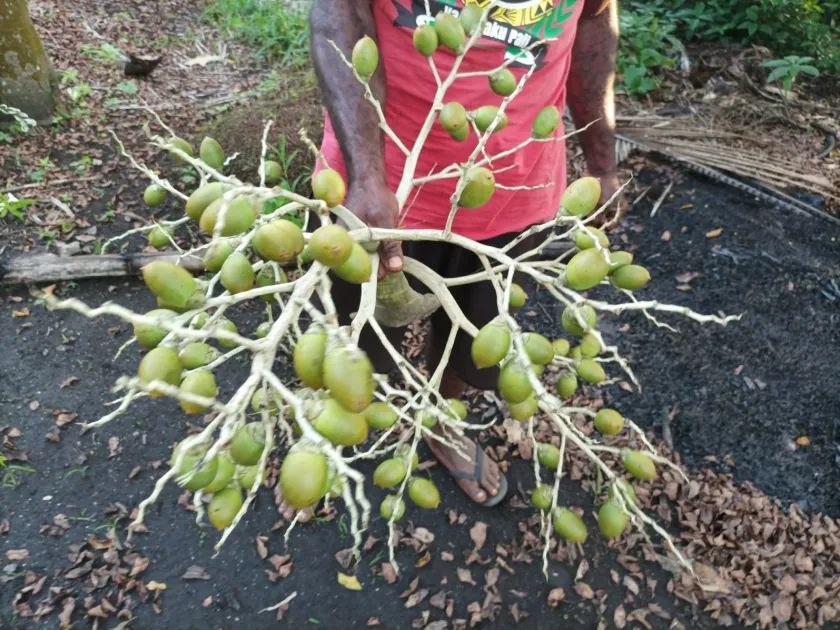
Description
Growing requirements
Veitchia spiralis is a stunning ornamental palm tree belonging to the Arecaceae family. It is native to the tropical islands of Vanuatu, where it thrives in humid and consistently warm environments, creating a lush canopy in its natural habitat.
To cultivate this palm successfully, one must replicate tropical conditions. The ideal temperature range is between 20°C and 28°C. This plant is highly sensitive to cold weather and cannot withstand frost, requiring indoor protection in cooler climates.
The soil should be light, well-draining, and rich in organic matter. A mixture of peat, perlite, and coarse sand provides the necessary aeration and moisture balance. Proper drainage is essential to prevent waterlogging, which the plant cannot tolerate.
This species thrives in bright, indirect light. While it loves warmth, direct midday sunlight can scorch its delicate pinnate fronds. A partially shaded location or filtered sunlight is recommended for maintaining the deep green color of the leaves.
Humidity management is crucial for this plant. If kept indoors, it requires regular misting or the use of a humidifier to maintain a humidity level of at least 60%, which mimics its native tropical environment.
Main diseases and pests
Veitchia spiralis is commonly affected by mealybugs, which tend to congregate in leaf axils. These pests feed on plant sap and can weaken the tree if not treated promptly with insecticidal soaps or systemic treatments.
Scale insects are another frequent pest, appearing as small bumps on the stems and leaves. Regular physical removal or targeted chemical treatments are effective ways to manage scale infestations before they become severe.
Root rot is a significant danger if the plant is overwatered or if the soil lacks sufficient drainage. Overwatering leads to oxygen deprivation in the root zone, creating ideal conditions for pathogenic fungi.
Spider mites can become a nuisance during the drier winter months when indoor humidity levels drop significantly. Infestations are characterized by fine webbing and yellow stippling on the leaves, which can be mitigated by increasing moisture.
In terms of general health, ensuring good airflow is essential to prevent fungal leaf spot diseases. Keeping the leaves clean and free of dust not only improves aesthetics but also assists the plant in better gas exchange and overall resilience.